Monthly Archives

Tháng 3 2026

Guide to Nail Salon Financial Automation and Performance

Simplifying Your Business with Nail Salon Financial Automation

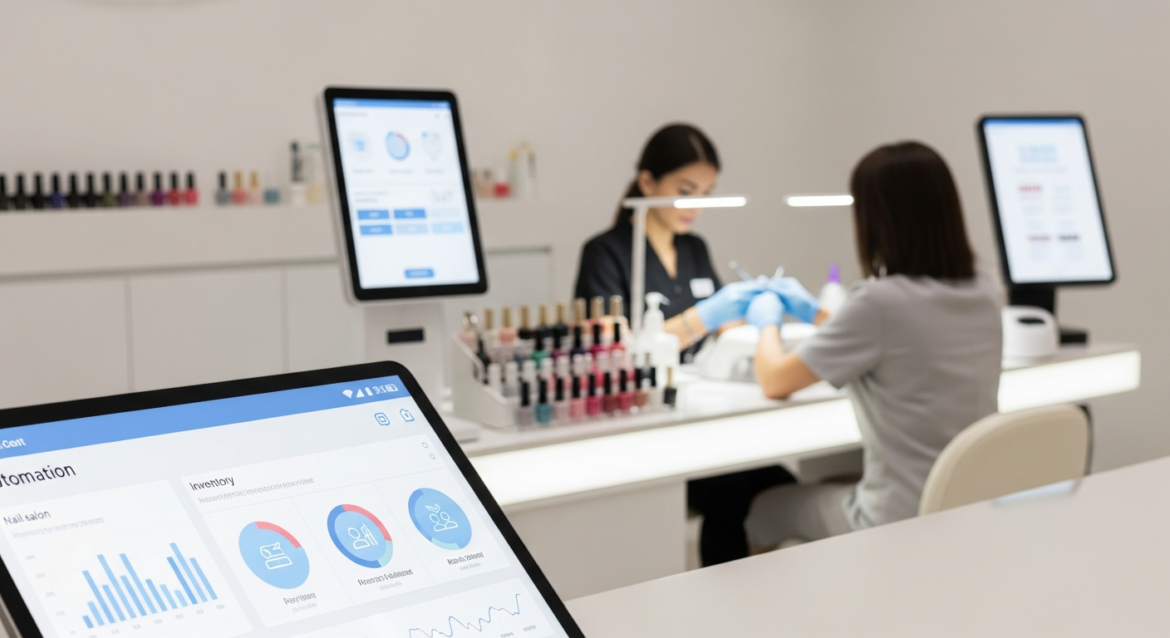
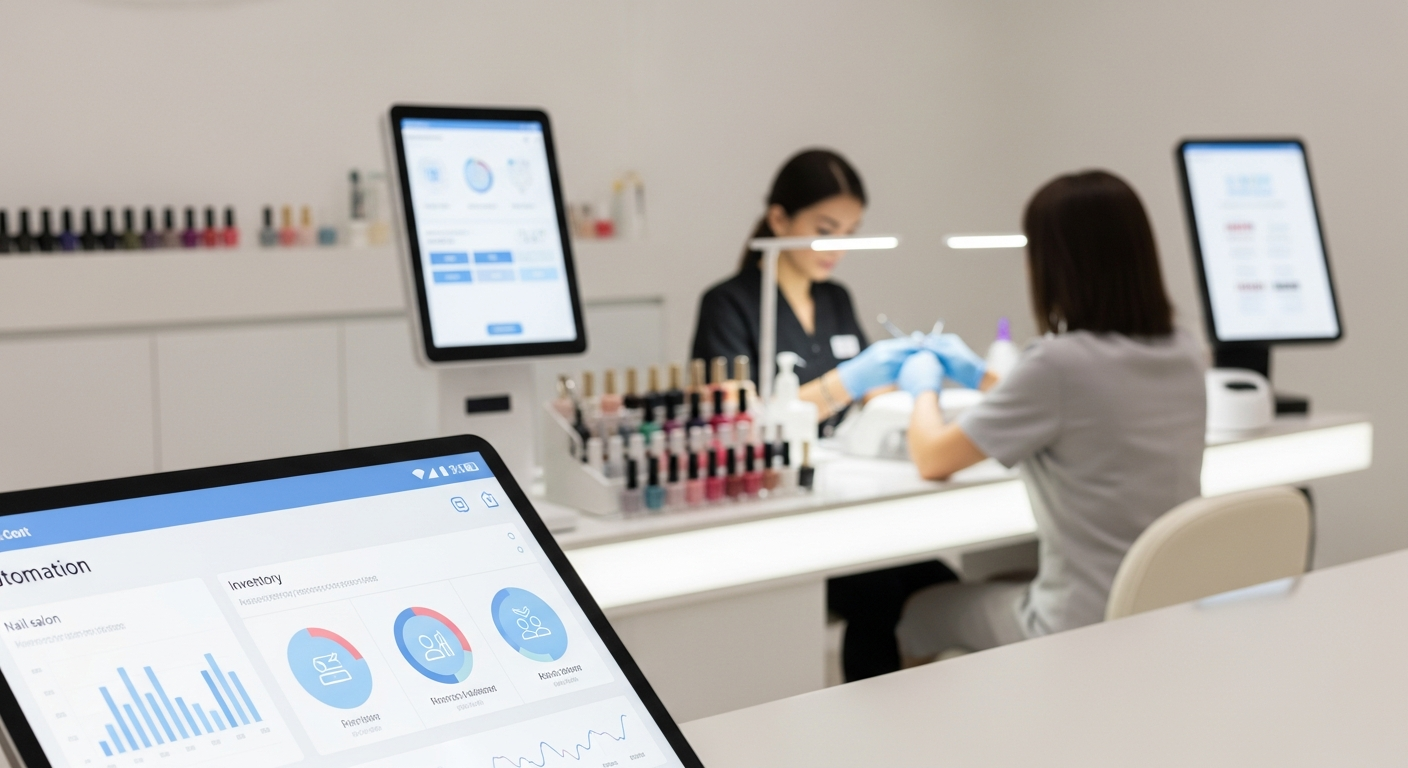
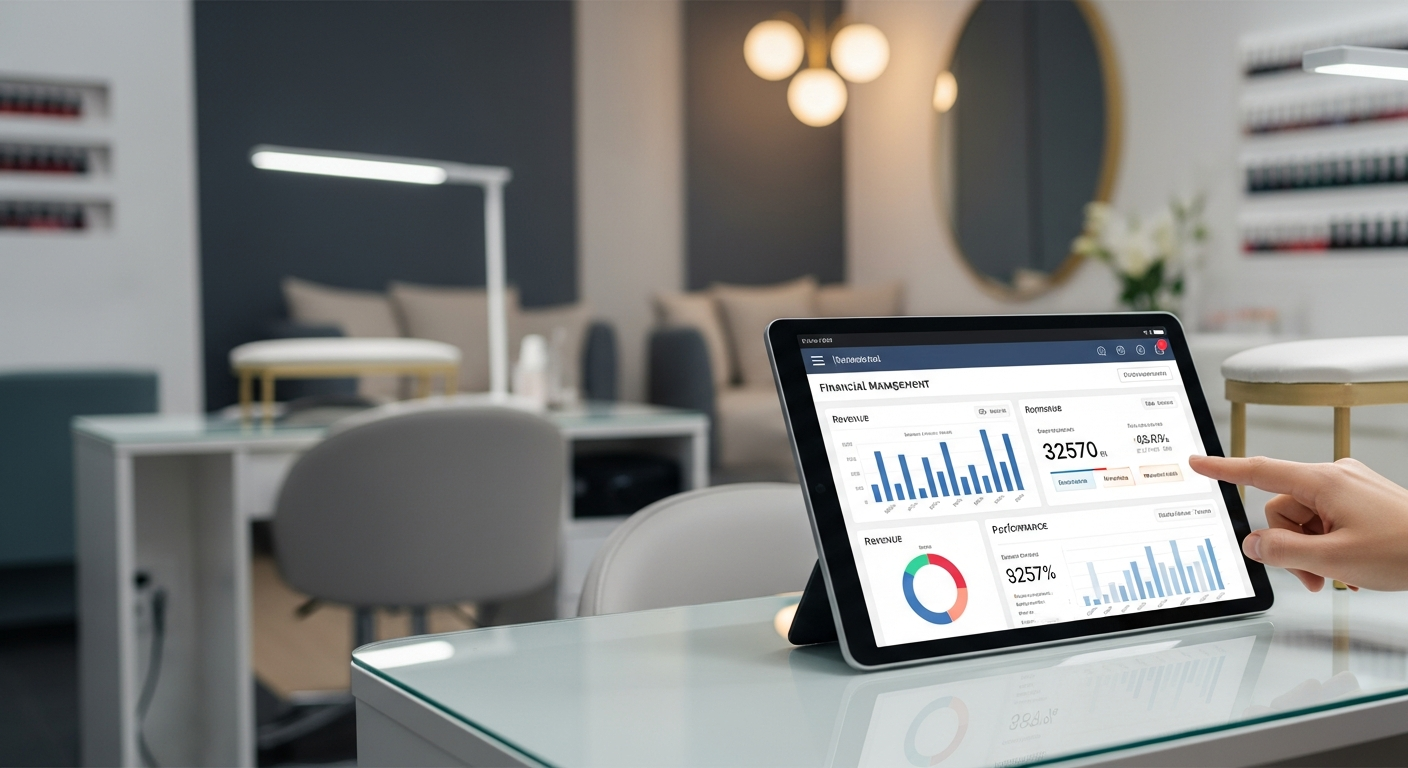
Nail salon financial automation is the use of digital systems to automatically track daily service revenue, supply costs, and technician performance without manual bookkeeping. By syncing point-of-sale data with tracking tools, salon owners gain real-time visibility into their cash flow, helping them monitor profit margins and business health effortlessly.

Why Automated Revenue Tracking Matters

For most nail salon owners, tracking money involves counting receipts at the end of a long shift. This manual process often leads to errors and missing data.

Nail salon financial automation captures every transaction the moment a client pays at the front desk. This ensures that cash, credit, and tip amounts are recorded accurately without human intervention.

Seeing Every Dollar From Every Chair

Automation allows you to see which chairs are generating the most revenue throughout the day. You can identify peak hours and slow periods without digging through paper logs.

This visibility helps you understand your daily cash flow so you always know exactly how much money is available for business needs.

Gaining Visibility Into Monthly Expenses

Running a salon involves constant costs like backbar supplies, rent, and utilities. Keeping track of these expenses manually is often overwhelming for busy owners.

Automated systems can categorize your spending as it happens. This gives you a clear picture of where your money is going each month.

Tracking Supply Costs Automatically

Product waste and high supply costs can quickly eat into your profits. Automation helps you monitor how much you spend on polish, acrylics, and tools compared to your revenue.

When you see these costs in real-time, you can make better decisions about ordering and inventory management.

Essential Performance KPIs for Salon Owners

Key Performance Indicators (KPIs) are simple numbers that tell you if your salon is healthy. You do not need a finance degree to understand them.

Automation tools calculate these metrics for you, providing a “health check” for your business at any time of the day.

  • Average Ticket Value: The average amount a client spends per visit.
  • Retention Rate: How many clients come back for a second or third appointment.
  • Labor Cost Percentage: How much of your revenue goes toward paying your technicians.

Monitoring Technician Productivity

Automated reporting shows you which technicians are the most efficient and which ones may need more training. You can see service times and client request rates at a glance.

This data helps you manage your team fairly based on performance rather than guesswork.

Using Automated Reports to Make Better Decisions

The goal of nail salon financial automation is to give you control over your business. Instead of feeling stressed about totals, you receive clear reports.

Daily and weekly summaries allow you to spot trends before they become problems. You can see if revenue is dipping and adjust your staffing or promotions immediately.

Automated reporting removes the mystery from your bank balance. It transforms your salon from a job you work at into a business you manage with confidence.
0 comments
0 FacebookTwitterPinterestEmail

Nail Salon Booking Automation: A Guide for Owners

Nail Salon Booking Automation: Improving Your Service Flow

Nail salon booking automation is a digital process that handles appointment scheduling, reminders, and service tracking without manual staff input. By utilizing automated systems, nail salons in the United States can eliminate double-bookings, reduce costly no-shows, and maintain a consistent flow of clients for manicures and pedicures throughout the workday.

The Impact of Automated Online Booking

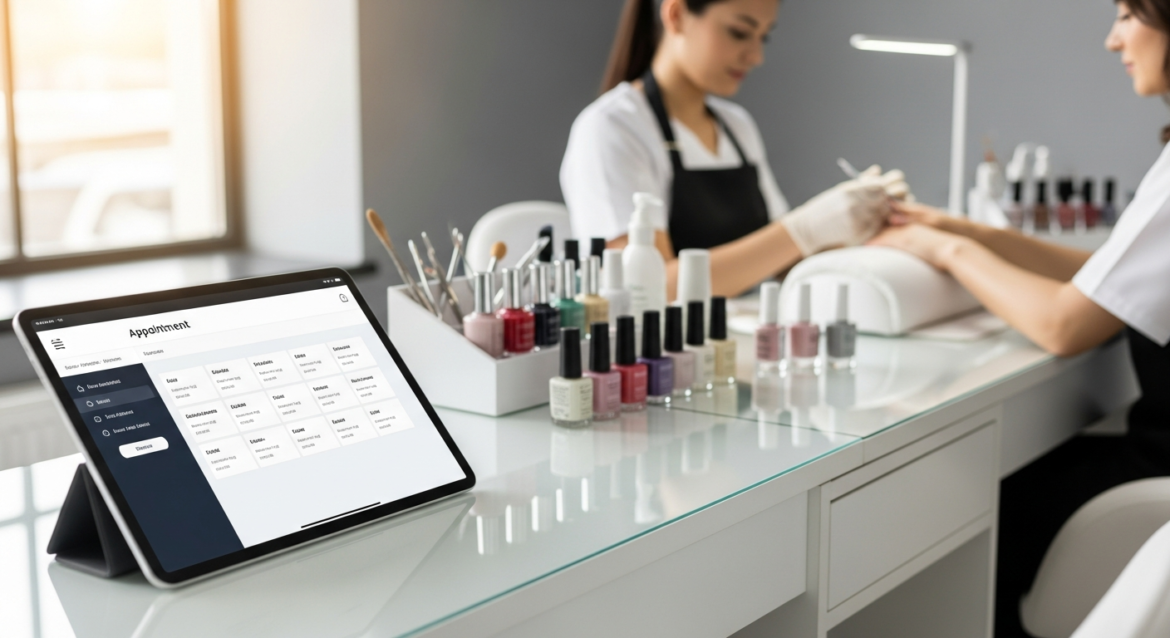
Allowing clients to book their own appointments online is the foundation of modern nail salon automation.
This system operates 24/7, capturing bookings even when the salon is closed for the night.
It reduces the time technicians spend on the phone, allowing them to focus on nail art.

When a client selects a service online, the system immediately checks the technician’s availability.
This prevents the common issue of overlapping appointments or scheduling errors.
A smooth booking experience builds trust with clients before they even enter the salon.

Eliminating No-Shows with Automated Reminders

Missed appointments are a significant drain on revenue for independent nail salon owners.
Automated reminders send text messages or emails to clients at set intervals before their visit.
These prompts ensure that clients remember their time slot or provide early notice for changes.

  • Instant Confirmations: Send a notification the moment a booking is made.
  • Pre-Service Reminders: Alert clients 24 hours before their scheduled manicure.
  • Last-Minute Prompts: Send a final text three hours before the appointment.

By automating this communication, the salon remains professional without requiring manual outreach.
Technicians can rely on a full schedule, knowing the system is actively confirming their day.
This reliability is essential for maintaining steady income in a busy nail salon.

Standardizing Nail Service Flow

Automation helps maintain a consistent pace for every service, from basic polish to acrylic sets.
The system can be programmed with specific durations for each type of nail treatment.
This ensures that the front desk never squeezes in a service that the technician cannot finish.

Managing Buffer Times

Automated systems can automatically add “buffer time” between different nail appointments.
This gives technicians time to sanitize their stations and prepare tools for the next client.
Proper spacing prevents the salon from feeling rushed or disorganized during peak hours.

Accurate Service Tracking

Automation tracks which services are most popular and how long they actually take.
If a full set consistently takes longer than scheduled, the system can adjust future bookings.
This data-driven approach ensures the service flow remains realistic and manageable.

Automated Feedback for Quality Control

Collecting client feedback is vital for maintaining high standards in a nail salon.
Automation can send a simple survey or rating request immediately after a client leaves.
This allows owners to identify issues with specific services or technician performance.

Consistent feedback helps owners understand if the salon is meeting client expectations.
When the process is automated, it ensures every client has the opportunity to share their thoughts.
Higher response rates lead to better insights and a more reliable reputation in the local market.

0 comments
0 FacebookTwitterPinterestEmail

Nail Salon Marketing Automation Basics for Owners

Nail Salon Marketing Automation Basics

Nail salon marketing automation basics involve using software systems to handle repetitive communication tasks like appointment reminders, rebooking prompts, and thank-you messages without manual effort. By automating these touchpoints, US nail salon owners can increase client retention and streamline operations while focusing on providing high-quality services to their local community.

How Marketing Automation Works for Nail Salons

Automation functions as a digital assistant that works around the clock for your business. It identifies specific triggers, such as a client booking an appointment, to send a message.

Instead of a technician or owner calling to confirm every manicure, the system sends an SMS automatically. This ensures your schedule stays organized without requiring constant manual data entry.

For a local nail salon, this means fewer missed calls and more time spent at the technician station. It bridges the gap between the front desk and the service area.

Key Parts of Your Salon to Automate

Appointment Confirmations and Reminders

Sending a confirmation immediately after booking provides the client with peace of mind. A reminder sent 24 hours before the service significantly reduces no-show rates.

Rebooking Triggers

Most nail services, like gel manicures or acrylic fills, require maintenance every two to three weeks. Automation can track the last visit and invite the client back.

These systems identify clients who have not visited in a month and send a gentle prompt. This keeps your chair full and maintains a steady flow of recurring revenue.

Post-Service Feedback

Asking for feedback or a rating immediately after a pedicure helps you monitor service quality. These messages show the client that your salon values their experience.

Simple Automation Systems for Small Salons

You do not need complex software to start with nail salon marketing automation basics. Most modern booking platforms include simple toggle-on automation features for small businesses.

  • SMS Notifications: Short text messages are the most effective way to reach local clients.
  • Email Receipts: Digital receipts can include a link to book the next appointment.
  • Client Profiles: Systems that automatically store birthday or service history data.

Focusing on these three areas provides the highest return on time for a busy salon owner. It removes the stress of daily administrative follow-ups.

Understanding Local Customer Behavior

Nail salon clients in the United States value convenience and consistency above all else. They prefer quick text updates over phone calls during their workday.

Local customers often treat their nail appointments as part of a recurring routine. Automation supports this behavior by making the re-entry point to your salon effortless.

When the system remembers a client’s preferences or visit frequency, it creates a professional image. This builds trust with the local community without increasing your workload.

Common Automation Mistakes to Avoid

Many salon owners make the mistake of sending too many messages in a short period. This can lead to clients opting out of your communication entirely.

Another error is using generic, robotic language that feels disconnected from your salon’s personality. Keep your automated messages friendly, brief, and helpful to the client.

Finally, avoid failing to update your client list. Clean data is essential for ensuring the right messages go to the right people at the right time.

Budget-Friendly Automation Ideas

Start with basic text reminders, which are often included in low-cost booking software. This single step can save hours of manual labor every single week.

Utilize automated “we miss you” messages for clients who haven’t visited in six weeks. This is a free way to recover lost revenue from past customers.

Simple systems allow small, family-owned salons to compete with larger chains. Professional automation makes your business appear more organized and reliable to new clients.

0 comments
0 FacebookTwitterPinterestEmail

Nail Salon Operations Automation: A Guide for Owners

Nail Salon Operations Automation for Daily Efficiency

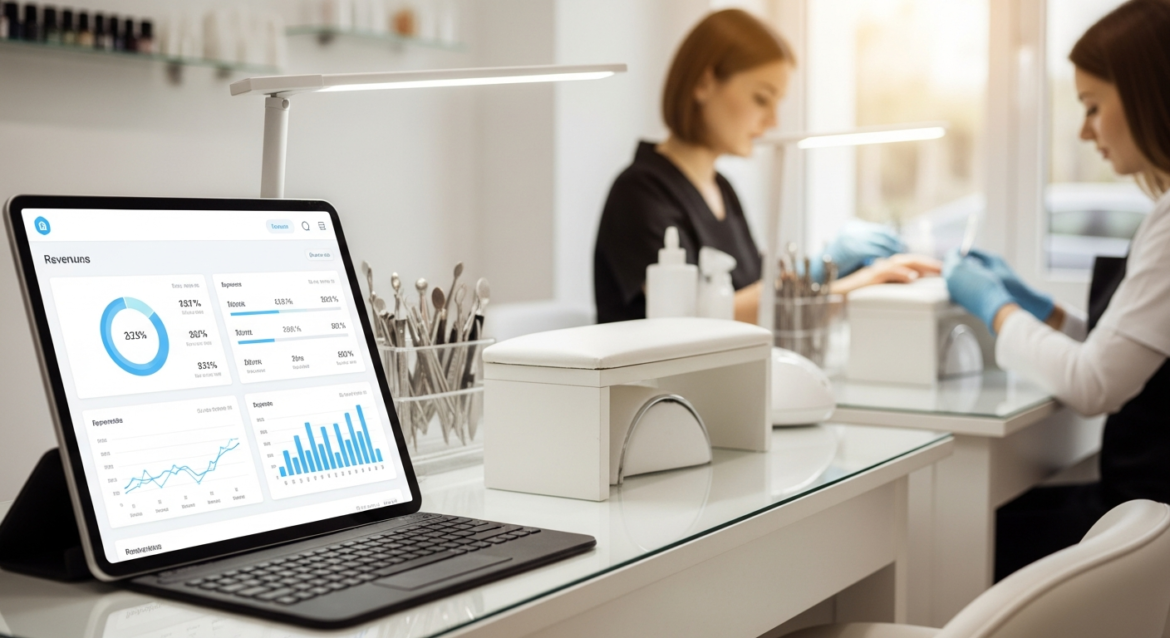
Nail salon operations automation refers to the use of standardized systems and digital workflows to manage daily tasks like staff scheduling, shift handovers, and payroll calculations. By replacing manual checklists with automated processes, salon owners ensure consistent service delivery, reduce administrative errors, and maintain operational efficiency across every station.

Standardizing Daily Nail Salon Workflows

Daily operations in a nail salon require repetitive tasks that are often forgotten during busy shifts.
Automation allows owners to digitize opening and closing checklists so every technician follows the same steps.
This ensures that stations are sanitized and supplies are restocked without constant manual supervision.

Digital SOPs provide technicians with clear, step-by-step instructions for every service offered.
When these processes are automated, the system prompts staff to confirm completion of specific tasks.
This reduces the reliance on an owner’s physical presence to maintain high operational standards.

Automated Station Preparation

  • Supply Tracking: Systems can flag low inventory based on the number of services performed.
  • Sanitation Logs: Digital timers and logs ensure every pedicure tub and tool set meets safety codes.
  • Consistency: Automation ensures every client receives the same level of prep, regardless of the technician.

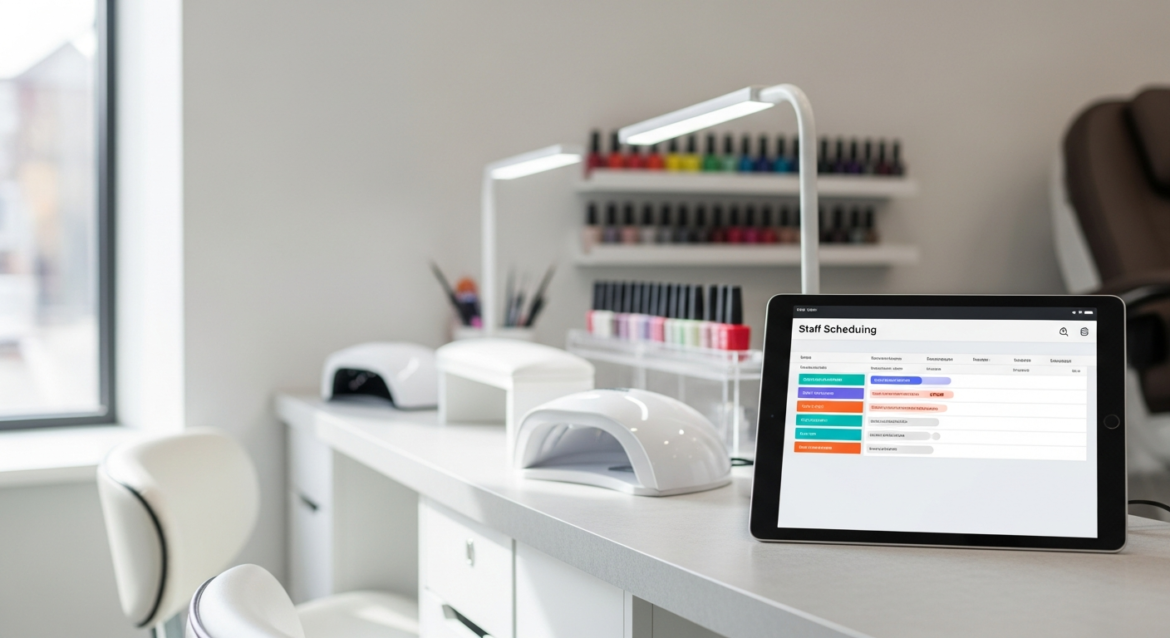
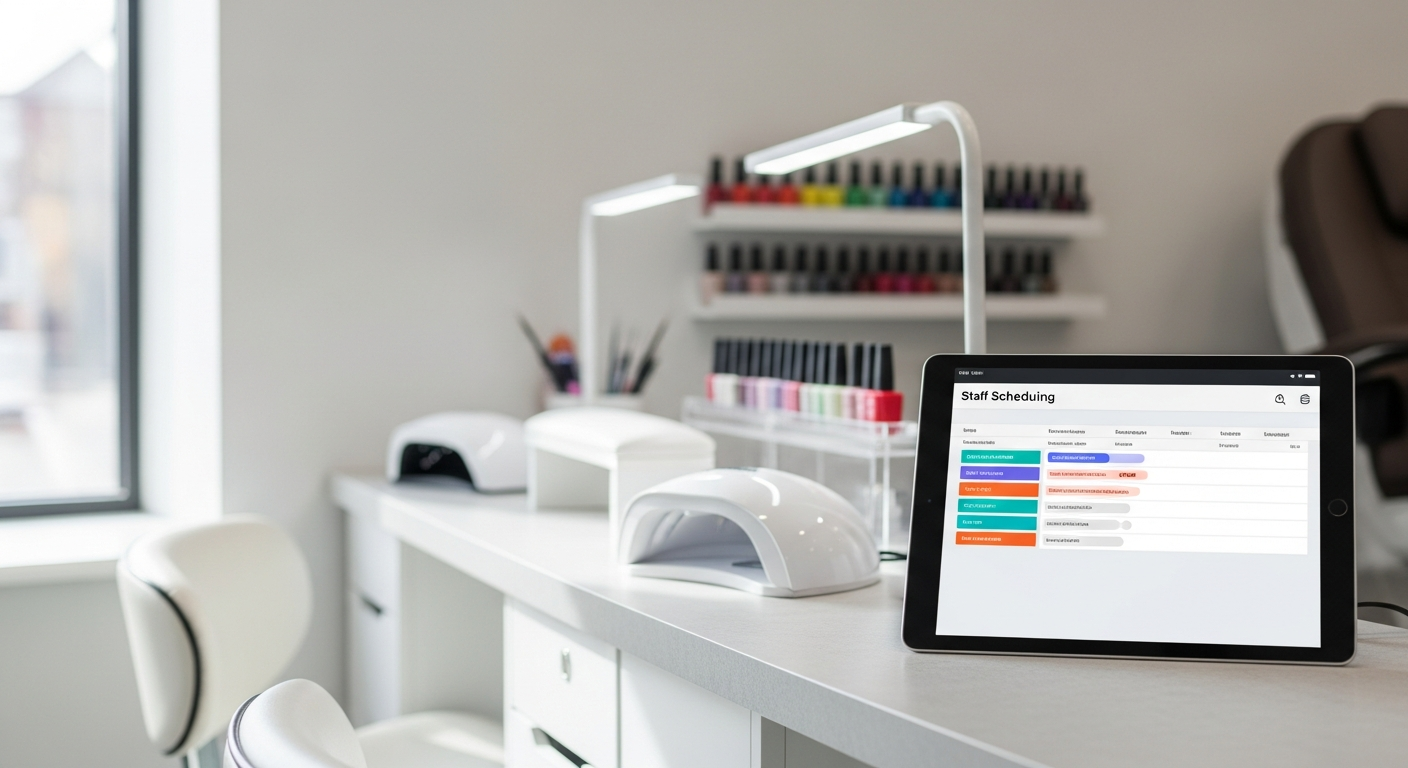
Staff Scheduling and Shift Coordination

Managing a nail salon team requires complex scheduling to cover peak hours and weekend rushes.
Automated scheduling systems distribute shifts based on technician availability and service specialties.
This eliminates the need for paper calendars or back-and-forth text messages with staff members.

Real-time updates allow technicians to see their daily line-up on their own mobile devices.
If a shift changes, the system automatically notifies the affected staff and updates the master roster.
This reduces confusion and ensures the salon is always properly staffed for walk-ins and appointments.

Automating Payroll and Tip Processing

Calculating weekly payroll and distributing tips is a significant administrative burden for salon owners.
Nail salon operations automation simplifies this by linking service completion data directly to payroll.
The system automatically calculates commissions based on the specific nail services performed by each technician.

Automated tip pooling or direct tip tracking removes the risk of human error in math.
This transparency builds trust with staff because they can see their earnings updated in real-time.
It also saves owners hours of manual data entry at the end of every pay period.

Reducing Operational Errors Through Systems

Human error is the leading cause of service delays and inventory shortages in nail salons.
By implementing automated operational systems, owners create a “fail-safe” environment for their team.
The system acts as a digital manager that monitors progress and flags issues before they become problems.

Standardized digital workflows ensure that even new staff members can operate at a high level.
When the process is automated, the business relies on the system rather than individual memory.
This results in a more predictable, professional environment for both the staff and the clients.

Key Benefits of Operational Automation

  • Time Savings: Owners spend less time on paperwork and more time on business growth.
  • Error Reduction: Automated calculations prevent costly mistakes in payroll and supply ordering.
  • Staff Accountability: Digital logs clearly show which tasks were completed and by whom.
0 comments
0 FacebookTwitterPinterestEmail

Nail Salon Operations Automation: Essential Owner Guide

Nail Salon Operations Automation for Daily Efficiency

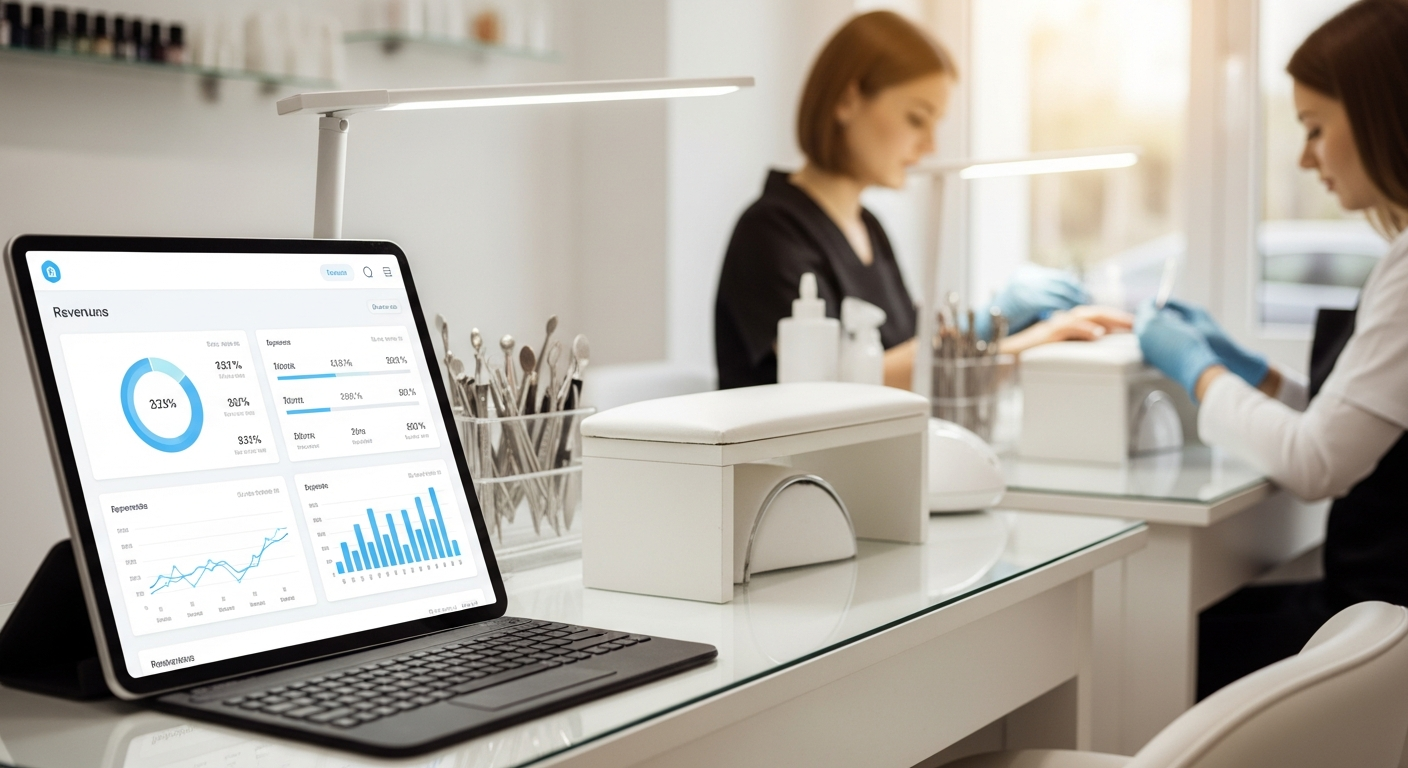
Nail salon operations automation is the use of digital systems and standardized protocols to manage daily workflows, staff scheduling, and payroll tasks without manual intervention. By implementing these automated processes, salon owners ensure service consistency, reduce operational errors, and maintain organized shift coordination across the entire nail technician team.

Standardizing Daily Nail Salon Workflows

Automating daily workflows ensures that every opening and closing task is performed correctly every time.
Digital checklists can trigger notifications for technicians, ensuring stations are sanitized and supplies are restocked.
This system shifts the responsibility from the owner’s memory to a repeatable digital process.

Automation allows for uniform service delivery regardless of which technician is working.
By embedding Standard Operating Procedures (SOPs) into a central digital dashboard, staff can access step-by-step instructions.
This reduces the time owners spend answering repetitive questions about daily salon maintenance.

Automated Staff Scheduling and Shift Coordination

Manual scheduling often leads to double-booking or coverage gaps during busy weekend hours.
Nail salon operations automation uses logic-based systems to manage shift rotations and time-off requests.
Automated alerts notify technicians of their upcoming shifts, reducing the likelihood of no-shows.

These systems can also handle last-minute shift swaps between technicians without owner intervention.
The system automatically updates the master schedule once a swap is approved based on pre-set rules.
This ensures the salon remains fully staffed during peak hours for manicures and pedicures.

Streamlining Payroll and Tip Processes

Calculating commissions and tips manually is time-consuming and prone to mathematical errors.
Automation syncs daily service records directly with payroll systems to calculate earnings instantly.
This ensures technicians are paid accurately for every gel set or acrylic fill they perform.

Automated tip distribution systems provide transparency for staff and peace of mind for owners.
Owners can set rules for how pooled tips or individual gratuities are processed and recorded.
This reduces disputes and ensures compliance with basic financial record-keeping standards.

Reducing Operational Errors Through Systems

Operational errors often occur when communication between the front desk and technicians breaks down.
Automation bridges this gap by sending real-time updates to technician stations when a service changes.
This prevents the wrong service from being performed, saving both time and product costs.

Supply tracking can also be automated to prevent the salon from running out of essential liquids or powders.
Low-stock alerts are triggered automatically based on the number of services completed each day.
This systematic approach keeps the nail salon running smoothly without constant manual inventory counts.

  • Eliminate manual data entry for daily service logs.
  • Ensure consistent sanitation protocols through digital verification.
  • Provide technicians with instant access to their weekly earnings.
  • Maintain optimal staffing levels through automated shift management.
0 comments
0 FacebookTwitterPinterestEmail

Nail Salon Financial Automation: A Simple Tracking Guide

The Beginner Guide to Nail Salon Financial Automation

Nail salon financial automation is the use of digital systems to automatically capture service revenue, supply costs, and labor performance data. This system eliminates manual data entry by syncing daily sales records directly into a central dashboard, providing salon owners with instant visibility into their business health and profit margins.

Why Manual Financial Tracking Fails Modern Salons

Most salon owners rely on paper logs or end-of-day receipts to calculate their earnings. This manual process is prone to human error and often leads to missing data regarding cash tips or supply usage.

Relying on memory or physical notes makes it impossible to see the true health of the business. Automation ensures every bottle of polish and every hour of labor is accounted for without extra work.

The Core Pillars of Financial Automation

Automating your finances does not require an accounting degree. It simply requires a system that connects your daily activities to a digital report.

Automated Revenue Tracking

Automated systems record every manicure, pedicure, and add-on service the moment the client pays. This provides an instant view of daily, weekly, and monthly income without totaling up paper tickets.

By categorizing services automatically, you can see which treatments are your biggest earners. You no longer have to guess if gel sets or acrylics are driving your revenue.

Real-Time Expense Visibility

Automation allows you to track recurring costs like rent and utilities alongside variable costs like back-bar supplies. Digital systems can flag when your spending on polish or monomer exceeds your normal limits.

Having this visibility helps prevent “cash leakages” where small, unrecorded purchases eat away at your monthly take-home pay.

Essential Performance KPIs to Monitor

Key Performance Indicators (KPIs) are simple numbers that tell you if your salon is winning or losing. Automation calculates these for you in real-time.

  • Average Ticket Value: The average amount a customer spends per visit.
  • Retention Rate: How many clients return within a 4-to-6 week period.
  • Labor Cost Percentage: How much you pay staff compared to the revenue they generate.
  • Product Usage Cost: The cost of supplies used for every service performed.

Using Automated Data to Make Decisions

The goal of financial automation is to move from “guessing” to “knowing.” When your data is automated, you can make confident choices about your salon’s future.

If the data shows low foot traffic on Tuesdays, you can automate a mid-week promotion. If a specific technician has a low retention rate, you can provide targeted training to improve their skills.

Automated reporting gives you the clarity to step away from the chair and manage your business based on facts. You gain peace of mind knowing your cash flow is tracked accurately every single day.

0 comments
0 FacebookTwitterPinterestEmail

Nail Salon Operations Automation: A Guide for Owners

Streamlining Daily Workflows with Nail Salon Operations Automation

Nail salon operations automation involves using digital systems to standardize daily workflows, manage staff scheduling, and simplify administrative tasks. By automating routine processes like station preparation and sanitation tracking, salon owners reduce manual errors and ensure consistent service quality across every technician while maintaining efficient internal operations throughout the business day.

Standardizing Daily Workflows Through Digital SOPs

Operating a nail salon requires strict adherence to sanitation and service protocols. Digital systems allow owners to automate the distribution of Standard Operating Procedures (SOPs) to every staff member.

Instead of relying on paper checklists, automated workflows prompt technicians to complete specific tasks. This ensures every station is prepped and every tool is sanitized according to state regulations.

Automated task management creates a digital trail of completed chores. This visibility allows owners to monitor shop cleanliness and preparation without needing to be physically present at every station.

Automating Staff Scheduling and Shift Coordination

Managing shifts for multiple nail technicians is often a complex and time-consuming manual process. Nail salon operations automation simplifies this by using rules-based scheduling systems.

These systems automatically account for technician availability, peak hours, and specific service specialties. Owners can set parameters to ensure the right mix of manicure and pedicure specialists are always on the floor.

When a schedule change occurs, automated notifications alert the entire team instantly. This eliminates the need for manual phone calls and reduces the risk of double-booking or understaffing during busy weekends.

Simplifying Shift Handovers and Daily Opening Tasks

Opening and closing a nail salon involves a long list of repetitive manual tasks. Automation ensures that these workflows are followed precisely by every morning and evening shift.

  • Digital checklists for morning ventilation and equipment checks.
  • Automated reminders for end-of-day polish inventory and supply counts.
  • Electronic logs for tracking daily towel laundry and autoclave cycles.

Reducing Operational Errors with Automated Check-In

Manual check-in processes often lead to miscommunication between the front desk and the technicians. Automated intake systems ensure that client requests are accurately captured every time.

When a client checks in, the system automatically assigns the service to the correct technician’s queue. This minimizes the risk of staff performing the wrong service or forgetting specific add-ons.

These systems also track the duration of each service automatically. This data helps owners understand actual service times versus scheduled times, allowing for more accurate future scheduling.

Simplifying Payroll and Tip Calculation Processes

Calculating weekly payroll and distributing tips can take hours of manual data entry. Automation removes the math-related stress by pulling data directly from daily service records.

Conceptual automation in payroll links completed services directly to technician commission rates. This ensures that every manicure, pedicure, and polish change is accounted for in the final pay period.

Tip automation calculates the exact split between the salon and the technician based on pre-set rules. This reduces disputes over tip amounts and ensures that staff are paid accurately for their daily work.

The Benefits of Operational Consistency

The primary goal of nail salon operations automation is to prioritize process over individual performance. Systems ensure that the salon runs smoothly regardless of which staff member is working.

Consistency builds trust with clients who expect the same high-quality experience every time they visit. Automated systems provide the framework for that consistency by removing the guesswork from daily tasks.

By reducing the time spent on manual administration, salon owners can focus on business growth. Automation transforms a chaotic daily routine into a predictable and manageable business operation.

0 comments
0 FacebookTwitterPinterestEmail
Older Posts