
Nail Salon Operations Automation for Daily Efficiency
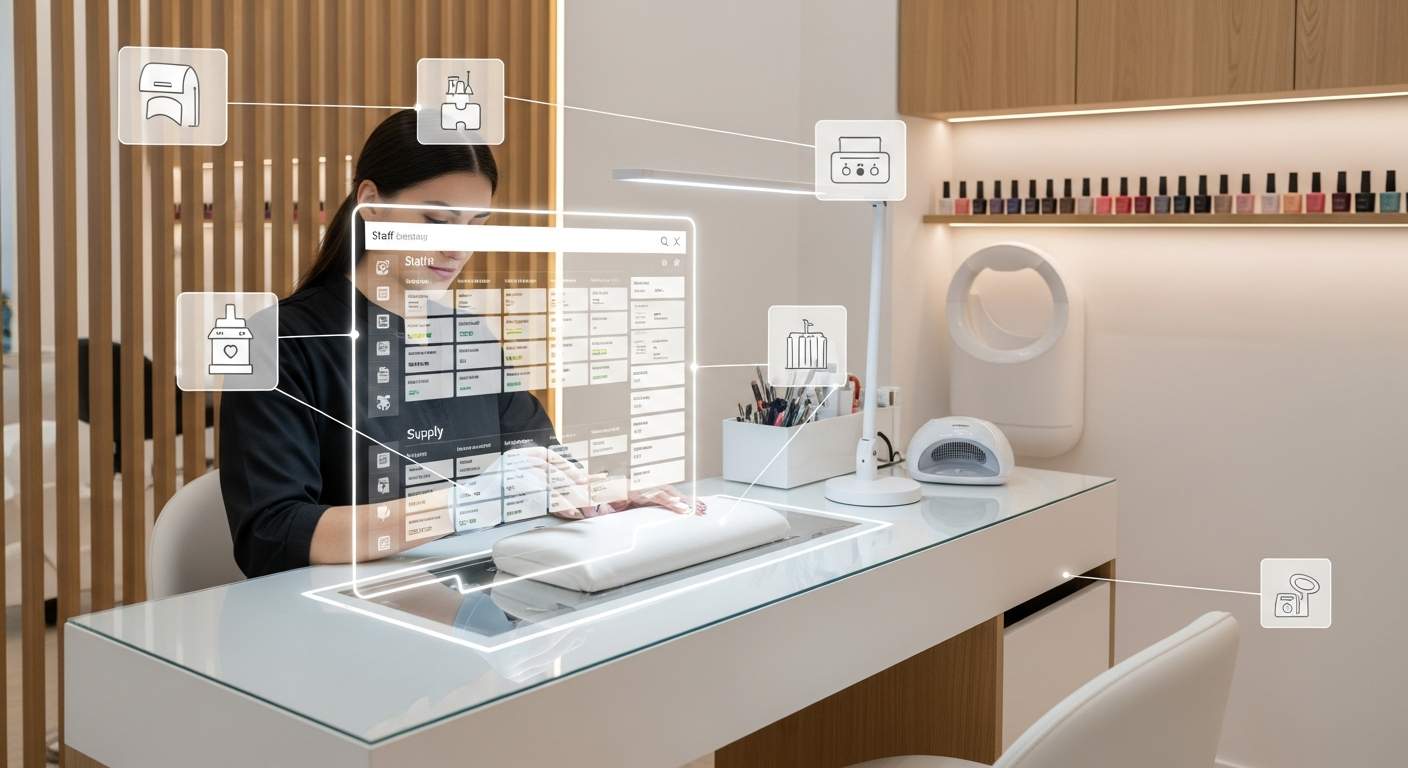
Nail salon operations automation is the implementation of digital systems to standardize internal workflows, such as technician scheduling, service protocols, and daily task management. By replacing manual paperwork with automated processes, U.S. nail salon owners ensure consistent service quality, reduce human error in payroll calculations, and improve overall operational efficiency within the business.
Standardizing Daily Nail Salon Workflows
Operational automation allows nail salon owners to create digital checklists for opening and closing procedures. These systems ensure that every technician follows the same sanitation protocols for foot baths and workstations.
Automated task reminders help staff maintain a clean environment without constant supervision from the owner. This consistency builds client trust and ensures the salon meets health and safety regulations every day.
By digitizing these daily routines, owners can track completion in real-time. This reduces the need for verbal check-ins and allows the team to focus on providing high-quality manicures and pedicures.
Automating Staff Scheduling and Shift Coordination
Manual scheduling on paper or whiteboards often leads to double-booking and confusion among nail technicians. Automation systems allow for digital shift management that updates instantly across all staff devices.
Technicians can view their daily rotations and station assignments through a centralized system. This transparency reduces internal conflicts and ensures that the salon is properly staffed during peak weekend hours.
Automated notifications inform staff of last-minute schedule changes or cancellations. This keeps the floor running smoothly and prevents technicians from waiting around during unexpected gaps in the day.
Streamlining Payroll and Tip Calculations
Calculating commissions and tips manually is time-consuming and prone to mathematical errors. Automation systems track every service performed by a technician and calculate their earnings automatically.
Digital tracking ensures that credit card tips and cash distributions are recorded accurately for each shift. This level of precision protects the business from payroll discrepancies and keeps staff morale high.
By automating the data collection for payroll, owners can generate reports at the end of the week in seconds. This eliminates the need for manual tallying of service slips and receipts.
Improving Service Consistency with Digital SOPs
Standard Operating Procedures (SOPs) are the backbone of a successful nail salon. Automating these procedures ensures that every client receives the same experience, regardless of which technician they see.
Digital SOPs can include step-by-step guides for specific nail services and acrylic applications. Technicians can reference these digital guides to ensure they are following the salon’s approved techniques and timing.
Automated systems can also track the usage of supplies like polish, monomer, and files. This helps the owner understand the cost of operations and ensures that stations are always stocked for the next client.
Reducing Operational Errors Through Systems
Human error in a fast-paced nail salon can lead to lost revenue and frustrated clients. Automation minimizes these risks by creating a system of record for every internal action taken.
- Automated inventory alerts notify the owner when backbar supplies are running low.
- Digital station assignments prevent confusion over which technician is responsible for specific cleaning duties.
- Synchronized clocks and timers ensure that service durations remain consistent and predictable.
Focusing on these automated systems allows a nail salon to function as a professional business rather than a disorganized shop. It shifts the burden of management from the owner to the system itself.
