
Automating Your Nail Salon Operations for Maximum Efficiency
Nail salon operations automation is the process of using digital systems to standardize daily workflows, staff scheduling, and payroll tasks. By automating repetitive operational steps and SOPs, salon owners reduce manual errors, ensure service consistency across all technician shifts, and eliminate the need for constant hands-on management of basic shop floor activities.
Standardizing Daily Nail Salon Workflows
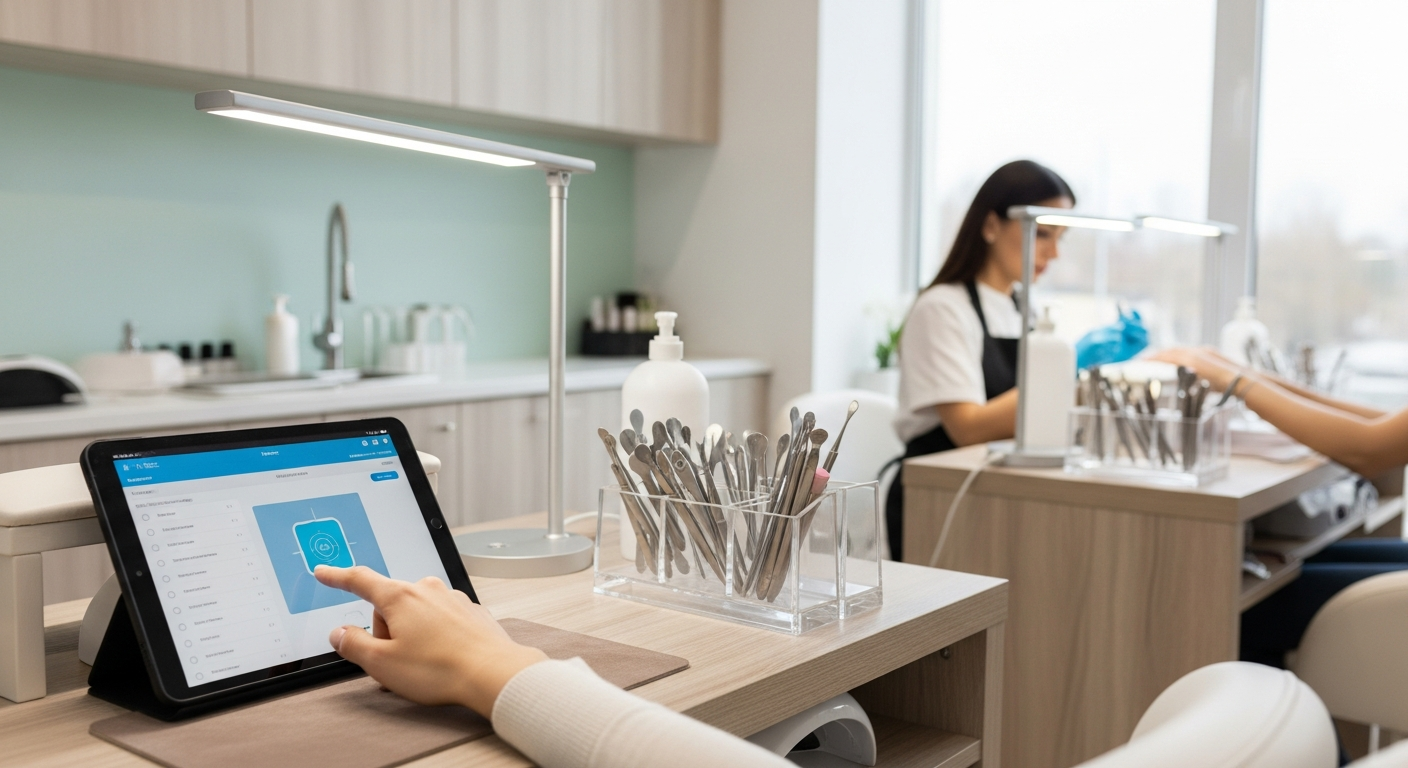
Daily workflows are the backbone of a successful nail salon. Automation allows owners to set digital opening and closing checklists that technicians must complete on a mobile device.
This ensures that every pedicure station is sanitized and every manicure table is stocked before the first customer arrives. Digital checklists provide real-time visibility into shop readiness without the owner being physically present.
Automated alerts can notify management if essential tasks are missed. This system moves the responsibility from the individual’s memory to a repeatable digital process.
Implementing Automated SOPs for Service Consistency
Standard Operating Procedures (SOPs) ensure that every customer receives the same high-quality experience regardless of which technician they see. Automation turns these SOPs into interactive guides.
Digital systems can prompt technicians to follow specific steps for complex services like acrylic sets or gel manicures. This reduces the risk of skipped steps and service failures.
By automating the delivery of these instructions, nail salons maintain a professional standard. Consistency becomes a feature of the system rather than a result of individual performance.
Automating Station Preparation and Sanitization
Sanitization is a critical operational requirement in the United States. Automated systems can track the timing and completion of tool sterilization and station cleaning cycles.
Technicians log their cleaning tasks into a central system that timestamps every action. This creates a digital paper trail for compliance and ensures every client sits at a clean station.
Automated reminders can trigger every hour to ensure common areas remain tidy. This keeps the nail salon environment professional and safe with minimal oversight.
Streamlining Staff Scheduling and Shift Coordination
Managing shifts for multiple nail technicians is often a complex and time-consuming manual task. Automated scheduling systems eliminate the back-and-forth communication regarding shift changes.
Technicians can view their schedules, request time off, or swap shifts through an automated portal. The system automatically updates the master calendar based on pre-set shop rules.
This prevents double-booking and ensures the nail salon is always staffed according to customer demand. It also reduces the administrative burden on the salon owner.
Automating Payroll and Tip Calculations
Calculating weekly payroll and daily tips is a common source of operational errors in nail salons. Automation simplifies this by syncing technician hours directly with service logs.
Systems can automatically split credit card tips from service totals based on individual technician performance. This ensures that every staff member is paid accurately and on time.
Automated reporting provides a clear breakdown of commissions and hourly wages. This level of transparency builds trust with the staff and reduces the time spent on manual math.
Reducing Operational Errors Through Systematic Checks
Human error in inventory and supply management can lead to service delays. Automated systems can monitor stock levels and trigger alerts when essential supplies run low.
When a technician uses a specific product for a full set, the system can deduct that usage from the digital inventory. This prevents the salon from running out of popular polish colors or liquids.
By relying on automated data, nail salon owners can make informed decisions about supply orders. This keeps operations running smoothly without the need for manual daily counts.
- Consistency: Automation ensures every technician follows the same shop standards.
- Accuracy: Digital systems eliminate math errors in payroll and tip distribution.
- Time Savings: Owners spend less time managing schedules and more time on growth.
- Compliance: Automated logs provide proof of sanitization and safety protocols.
