Author

Nail Salon Automation Team

Automating Your Nail Salon’s Financial Tracking

Nail Salon Financial Automation: Simplify Your Daily Tracking

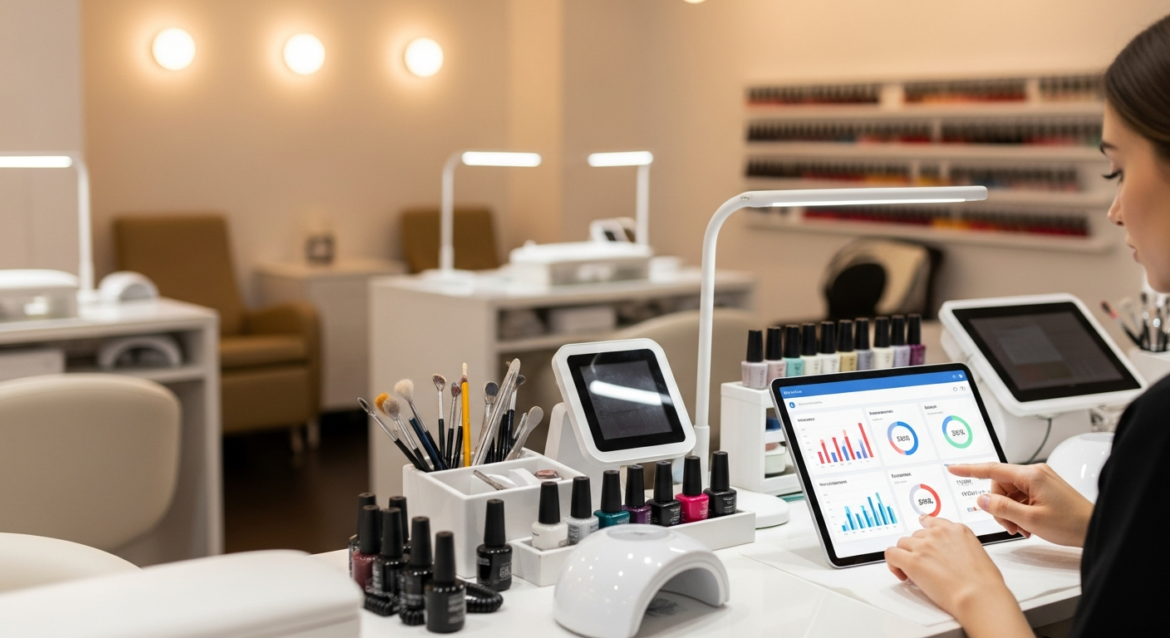
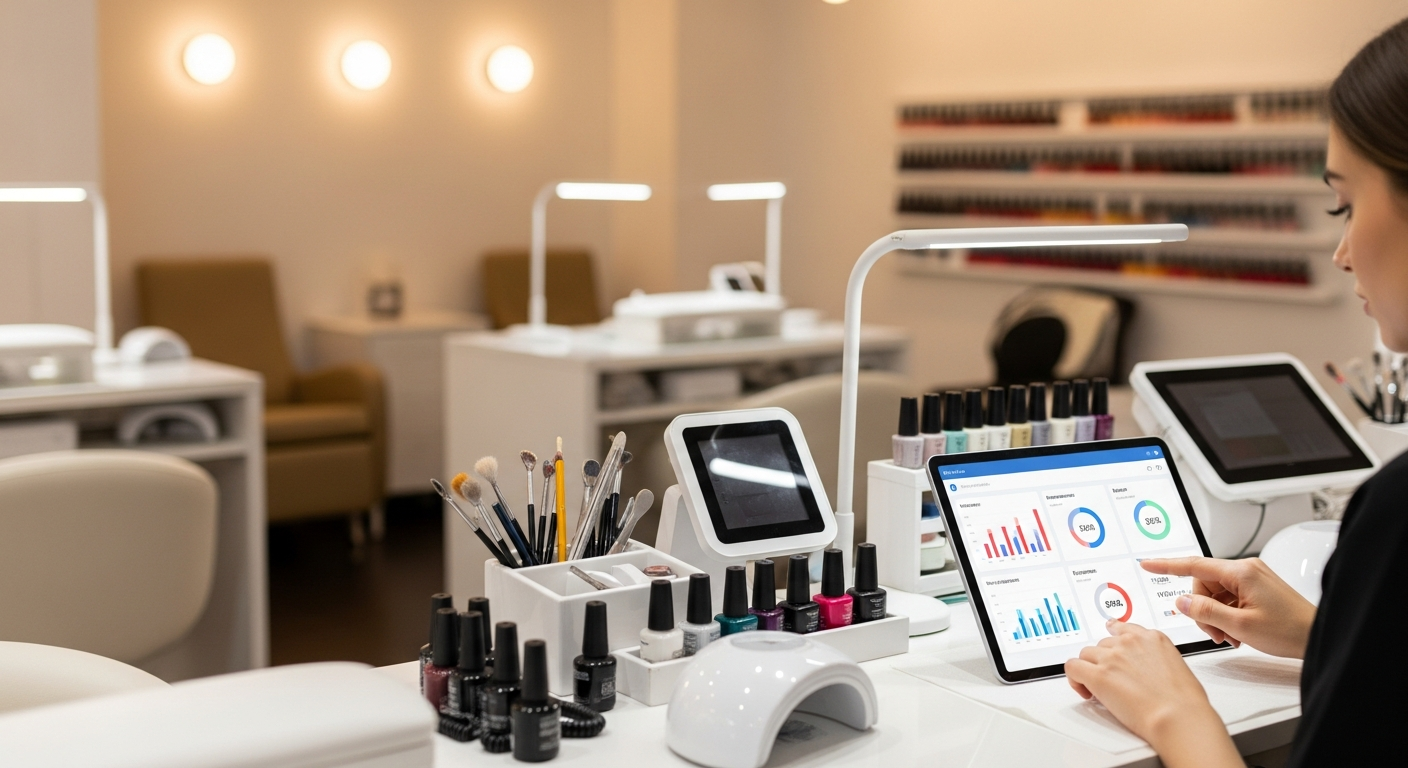
Nail salon financial automation is the process of using digital systems to automatically capture daily sales, track service costs, and monitor business performance. By connecting point-of-sale data to simple reporting tools, salon owners gain real-time visibility into their cash flow and technician productivity without manual data entry or complex accounting.

The Shift from Manual Ledgers to Automated Systems

Many salon owners spend hours every Sunday night totaling paper receipts and daily logs. This manual process is prone to errors that hide the true health of the business.

Automated financial tracking replaces the shoebox of receipts with digital records that update themselves. This gives you back your time and ensures your numbers are always accurate.

By automating the flow of data, you can see exactly how much money came in versus how much went out for supplies and labor at any moment.

Core Benefits of Financial Automation for Salons

  • Eliminate Data Entry: Sales from your front desk flow directly into your financial overview without typing.
  • Instant Expense Visibility: View what you spend on polishes, liquids, and rent without searching through bank statements.
  • Technician Performance: Automatically see which chairs are generating the most revenue per hour.

Understanding Your Revenue Automatically

Daily Sales Tracking

Automation allows you to see your total daily intake broken down by service type, such as manicures, pedicures, or add-ons. You no longer need to manually tally different service categories at the end of the shift.

Tracking Product vs. Service Income

Systems can automatically separate the money you make from labor versus the money made from selling retail products. This helps you understand where your actual profit is coming from.

Managing Costs and Expenses with Systems

Supply Cost Monitoring

Every bottle of polish and box of files costs money. Automation helps you track these recurring expenses against your revenue to ensure your service prices stay profitable.

Labor Cost Visibility

Automated reporting calculates how much you are paying in commissions or hourly wages compared to the total sales for the day. This keeps your biggest expense—labor—under constant watch.

KPI Fundamentals for the Busy Salon Owner

Key Performance Indicators (KPIs) are simple numbers that tell you if your salon is winning. Automation makes these numbers easy to read on a single screen.

  • Average Ticket Value: The average amount every customer spends during a single visit.
  • Rebook Rate: The percentage of clients who schedule their next fill or pedicure before leaving.
  • Occupancy Rate: How many of your chairs are filled throughout the day versus sitting empty.

Using Performance Data for Smarter Decisions

When you have automated data, you stop guessing and start knowing. You can see which days are slowest and might require a special promotion to fill the books.

If the data shows your average ticket is low, you can focus on training staff to offer more nail art or premium spa upgrades. Automation highlights these opportunities clearly.

Consistent reporting allows you to set realistic goals for your team based on their actual past performance rather than high-pressure estimates.

Moving Toward a Paperless Financial System

The goal of financial automation is clarity and control. You deserve to know exactly how your business is performing without becoming a full-time bookkeeper.

Start by ensuring your daily sales sync to a central dashboard. Once your revenue is visible, begin connecting your recurring expenses for a complete financial picture.

A system that runs itself allows you to focus on your clients and your technicians while the technology handles the math.
0 comments
0 FacebookTwitterPinterestEmail

Nail Salon Financial Automation: A Guide for Owners

How Nail Salon Financial Automation Simplifies Your Business

Nail salon financial automation is the process of using digital systems to automatically record daily sales, track service costs, and monitor business performance. By removing manual data entry, these automated systems provide salon owners with real-time visibility into their cash flow, service margins, and overall financial health without requiring accounting expertise.

Why Automating Your Revenue Tracking Matters

Most salon owners spend hours every week tallying up paper receipts or spreadsheets.

Financial automation connects your point-of-sale system directly to your performance dashboard.

This ensures every manicure, pedicure, and add-on service is recorded instantly and accurately.

Seeing Every Dollar from Every Chair

Automated tracking allows you to see which technicians are generating the most revenue.

You can identify busy times and slow periods without guessing or looking at old calendars.

This clear view of daily cash flow helps you keep enough money in the bank for bills.

Getting Visibility Into Your Daily Expenses

Running a salon involves many small costs that are easy to lose track of over time.

Automation tools can link your business spending to categories like rent, utilities, and supplies.

When you see exactly where money goes, you can find ways to reduce waste and save.

Tracking Product Costs Automatically

Knowing how much you spend on polish, acrylics, and monomer is vital for profitability.

Automated systems can help you see if your supply costs are rising faster than your sales.

This visibility prevents “leakage” where small expenses slowly eat away at your monthly take-home pay.

Core Financial Performance Metrics to Watch

Financial automation turns raw numbers into simple Key Performance Indicators (KPIs).

You do not need a finance degree to understand if your salon is performing well.

Simple dashboards show you the “vitals” of your business at a single glance.

Understanding Service Margins and Labor Costs

Automated reports show you the profit left after paying your technicians and buying supplies.

This helps you understand which services, like specialty gel art, are the most profitable.

Monitoring labor costs ensures you are not overstaffed during hours when the salon is empty.

Using Automated Reports to Make Better Decisions

Instead of relying on a gut feeling, you can use real data to manage your salon.

Automated weekly reports can be sent to your phone so you stay informed on the go.

Having this information gives you more confidence and control over your salon’s future.

0 comments
0 FacebookTwitterPinterestEmail

Mastering Nail Salon Booking Automation and Flow

Maximizing Efficiency with Nail Salon Booking Automation

Nail salon booking automation refers to the use of digital systems to schedule appointments, send reminders, and manage service flows automatically. By integrating these tools, nail salons eliminate manual entry errors, reduce missed calls, and allow clients to book services like manicures and pedicures at their own convenience 24/7.

The Impact of Automated Booking on Nail Salon Operations

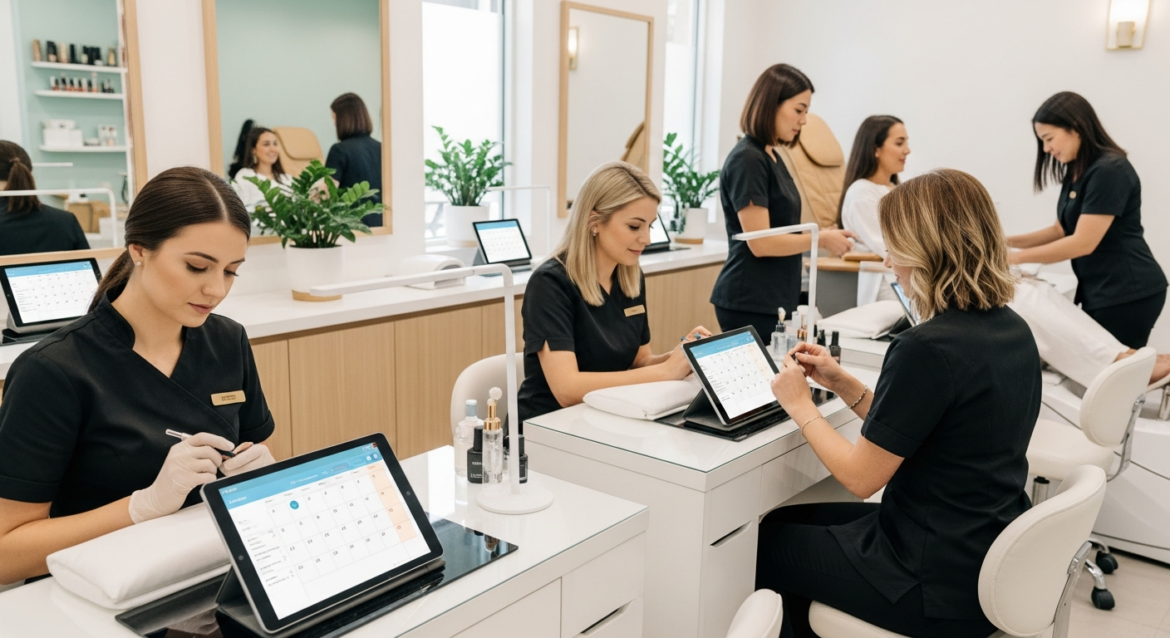
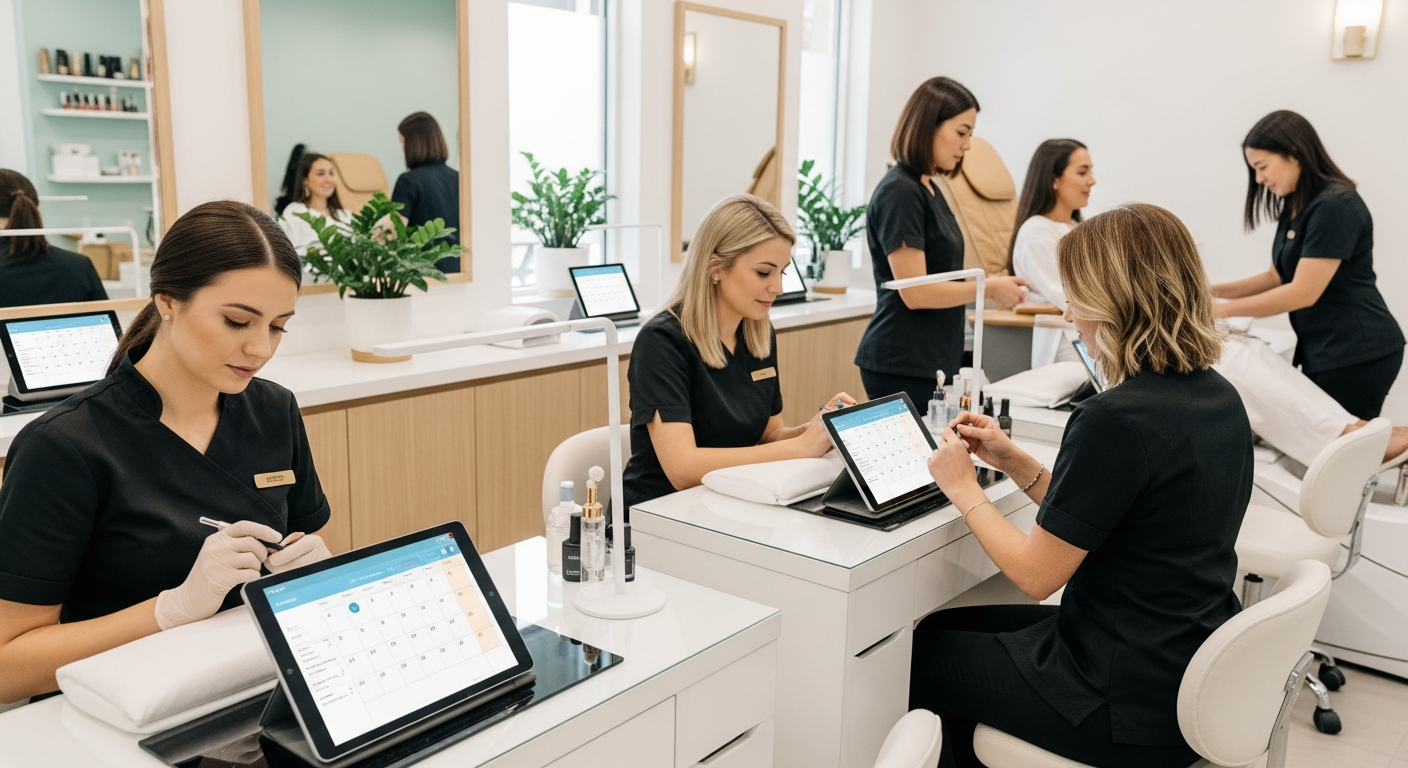
Traditional phone-based booking often leads to missed opportunities when technicians are busy with clients. Nail salon booking automation captures every potential appointment by providing a real-time digital calendar for customers.

This system ensures that the nail salon stays organized without requiring a dedicated receptionist at all times. Owners can focus on technical artistry while the system handles the administrative logistics of the schedule.

Eliminating No-Shows with Automated Reminders

No-shows are a significant revenue drain for any nail salon. Automated appointment reminders send text messages or emails to clients at specific intervals before their scheduled service.

These reminders prompt clients to confirm their attendance or reschedule in advance. By automating this communication, a nail salon can fill empty slots quickly and maintain a steady revenue stream throughout the day.

Improving Client Reliability

  • Instant Confirmations: Clients receive immediate proof of their booking.
  • Timely SMS Alerts: Reminders sent 24 hours prior reduce forgetfulness.
  • Easy Rescheduling: Automated links allow clients to change times without calling.

Standardizing Service Flow for Better Results

Service flow standardization ensures that every manicure or pedicure session stays on track. Automation tools allow owners to set precise durations for different nail salon services.

By defining exact time blocks for prep, application, and drying, the system prevents overbooking. This creates a calm environment where technicians never feel rushed and clients receive consistent high-quality care.

Optimizing Technician Schedules

Automation manages the transition time between clients, often referred to as “buffer time.” This allows for proper station sanitation and tool preparation between appointments.

When the schedule is optimized, the nail salon operates like a well-oiled machine. Technicians know exactly when their next client arrives, reducing stress and improving the overall workplace culture.

Automated Feedback and Service Quality

Gathering client feedback is essential for maintaining high standards in a nail salon. Automated systems can send a short survey or review request immediately after a service is completed.

This process captures the client’s experience while it is fresh in their mind. Consistent feedback collection helps nail salon owners identify which services are performing well and where technicians might need more training.

By automating this step, the nail salon builds a database of satisfied customers and identifies service gaps. This data-driven approach ensures the business continues to meet the expectations of its local clientele.

0 comments
0 FacebookTwitterPinterestEmail

Nail Salon Marketing Automation Basics: A Guide

Nail Salon Marketing Automation Basics

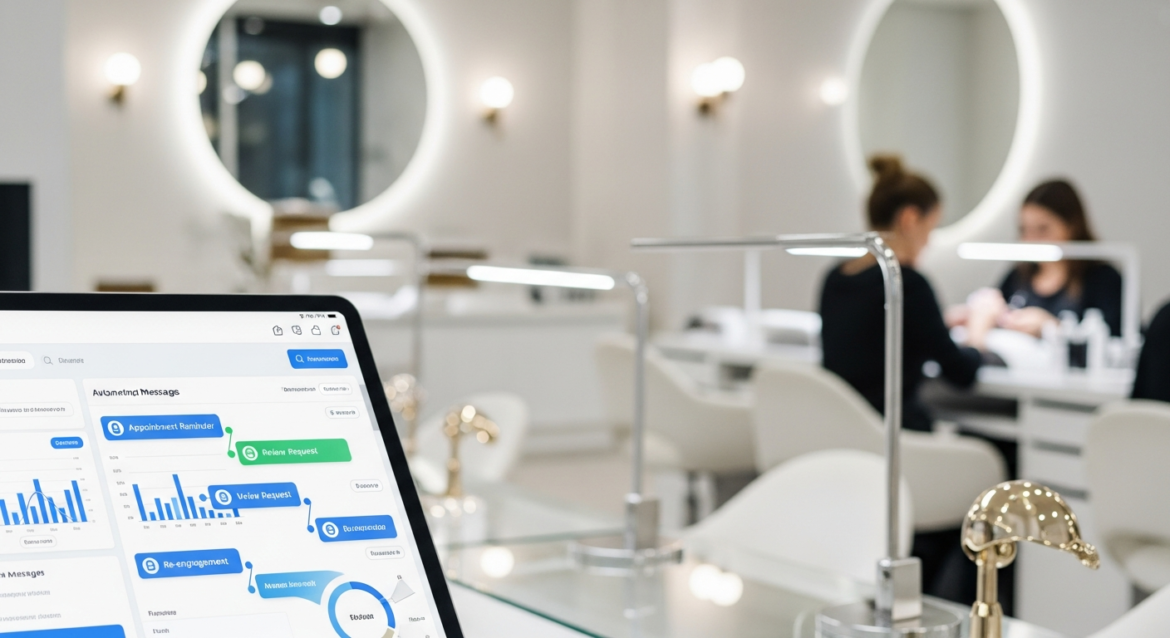
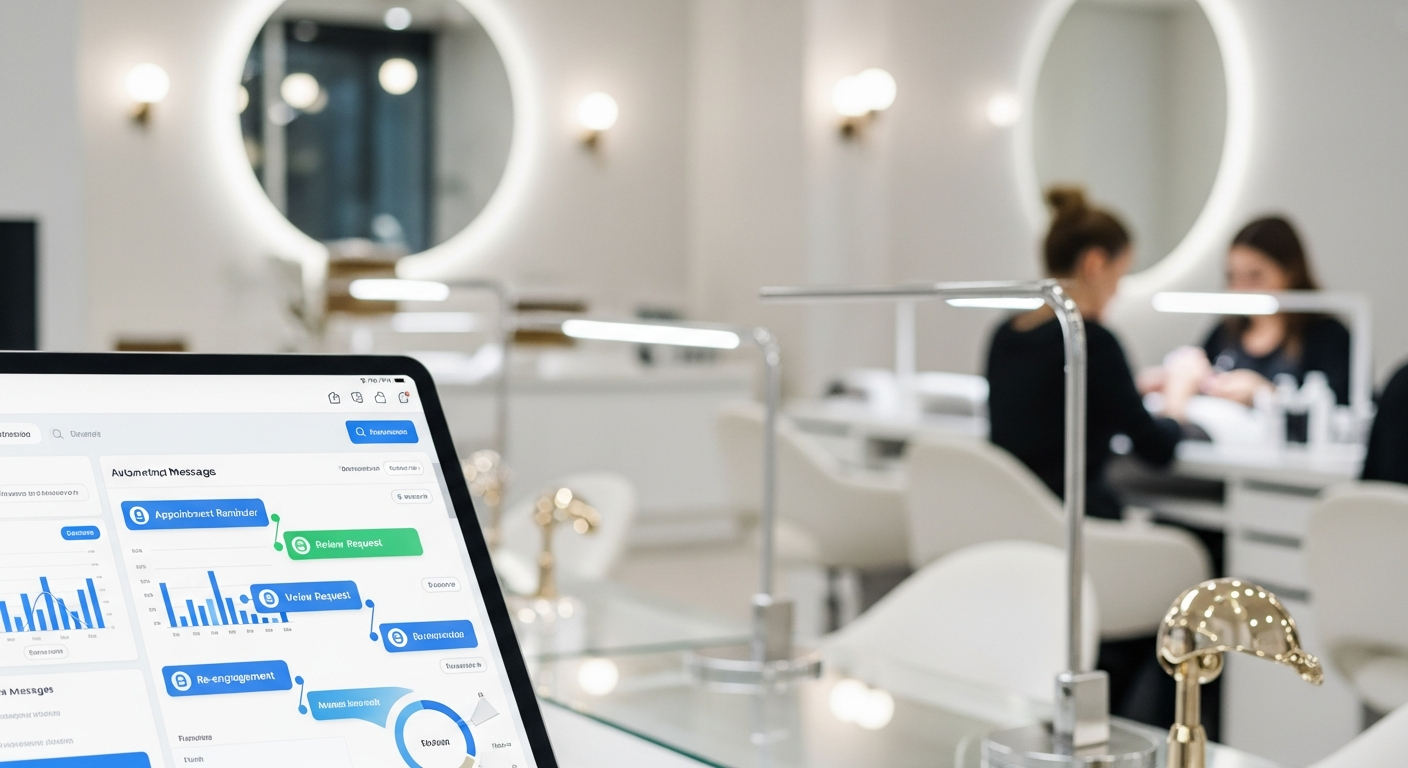
Nail salon marketing automation basics involve using software systems to handle repetitive communication tasks like appointment reminders, review requests, and re-engagement messages. By automating these touchpoints, nail salon owners reduce manual labor while ensuring consistent contact with clients, helping to increase booking frequency and maintain high retention rates without extra staff effort.

How Marketing Automation Works for Nail Salons

Marketing automation for nail salons uses “if-then” logic to trigger messages based on client actions. When a client books a manicure, the system automatically sends a confirmation.

These systems connect directly to your digital appointment book to track when a client visits. This allows the system to send timely messages without you needing to check the calendar.

The goal is to move a client through their beauty journey using pre-set templates. This ensures every customer receives the same high-quality communication every time they visit.

What Parts of Nail Salon Marketing Can Be Automated?

Appointment Management and Reminders

Automating reminders is the most effective way to reduce no-shows. Systems send text or email alerts 24 to 48 hours before a scheduled service.

Confirmations can also be automated to ensure the client has the correct address and time. This prevents confusion and keeps the salon schedule running smoothly.

Review Requests and Feedback

Automation can trigger a request for a Google review shortly after a client leaves the salon. This happens while their fresh set of nails is still top of mind.

Gathering private feedback can also be automated to catch issues before they become public. This helps owners maintain a high reputation in the local community.

Client Re-engagement

Nail services typically follow a two-to-three-week cycle. Automation identifies clients who have not booked within their usual timeframe.

The system then sends a “we miss you” message to encourage a return visit. This keeps your chair full without you having to manually call lapsed customers.

Simple Automation Systems for Small Salons

Small nail salons can start with basic automation through their existing booking software. Most modern platforms include built-in SMS and email tools.

Focus on “set it and forget it” workflows that handle the most common tasks. Prioritize appointment reminders first, as these provide the fastest return on investment.

Use simple, personalized templates that sound like they come from your salon. Local customers appreciate a friendly, professional tone rather than a corporate feel.

Understanding Customer Behavior in Local Salons

Nail salon customers value convenience and consistency above almost everything else. They prefer receiving text reminders over phone calls during their busy workdays.

Most clients follow a predictable maintenance schedule for acrylics or gel polish. Automation works best when it aligns with these natural service intervals.

By tracking how often a client visits, you can automate messages that reward loyalty. This reinforces the relationship between the technician and the customer.

Common Automation Mistakes to Avoid

  • Over-communicating: Sending too many messages can annoy clients and cause them to opt out of your system.
  • Generic Templates: Failing to use the client’s name or specific service type makes the automation feel cold and robotic.
  • Ignoring Opt-Outs: You must respect “STOP” requests immediately to comply with US messaging regulations and maintain trust.
  • Incorrect Timing: Sending a review request before the client has even finished their appointment looks unprofessional.

Budget-Friendly Automation Ideas

Start with automated email campaigns, as these are often cheaper than SMS. Use them for monthly newsletters or educational tips on nail aftercare.

Leverage the loyalty features already built into your point-of-sale system. Automatically notifying a client when they earn a discount encourages more frequent bookings.

Focus on automating one task at a time to avoid overwhelming your staff. Once the reminders are working well, move on to automating your review collection.

0 comments
0 FacebookTwitterPinterestEmail

Automating Nail Salon Operations: A Guide for Owners

Streamlining Internal Nail Salon Operations Through Automation

Nail salon operations automation involves using digital systems to standardize daily workflows, staff scheduling, and backend administrative tasks. By automating these internal processes, salon owners reduce manual errors in payroll, ensure consistent service delivery through digital SOPs, and streamline shift coordination, allowing the business to run smoothly without constant owner intervention.

Standardizing Daily Workflows with Digital Checklists

Consistency is the foundation of a successful nail salon.
Automating daily workflows ensures that every technician follows the same steps.
Digital checklists replace paper lists for opening and closing duties.

Automated Opening and Closing Procedures

Systems can trigger reminders for staff to complete sanitation protocols.
Owners receive notifications when essential tasks are finished.
This ensures the nail salon is always ready for the first client.

Step-by-Step Service Consistency

Internal systems guide technicians through specific service protocols.
This reduces variations in how different staff members perform manicures.
Process automation ensures every client receives the same high-quality experience.

Simplifying Staff Scheduling and Shift Coordination

Managing a rotating team of nail technicians can be complex.
Automation removes the manual effort of coordinating weekly shifts.
Digital schedules provide instant updates to the entire team.

Real-Time Shift Visibility

Staff members can view their upcoming hours on mobile devices.
Automated systems handle shift swap requests based on pre-set rules.
This eliminates confusion regarding who is on the floor at any time.

Managing Overtime and Peak Hours

Automation helps owners identify gaps in the daily schedule.
Systems can suggest adjustments to cover busy weekend shifts.
This prevents staff burnout while ensuring enough technicians are available.

Automating Internal Payroll and Tip Calculations

Manual payroll processing is time-consuming and prone to errors.
Nail salon operations automation simplifies how earnings are calculated.
This builds trust between the salon owner and the technicians.

Concept-Level Earnings Tracking

Systems automatically track hours worked and services performed.
Daily totals are compiled without the need for manual tallying.
This ensures staff are paid accurately for every set of nails completed.

Streamlined Tip Distribution

Digital systems categorize credit card tips for each technician.
Owners can view daily tip reports to simplify end-of-day payouts.
This reduces the time spent on administrative math after closing.

Reducing Operational Errors Through Systems

Human error in a nail salon can lead to wasted supplies or lost time.
Automation introduces guardrails that protect the business.
Standardized systems make the salon less dependent on individual memories.

Supply Tracking and Waste Reduction

Automated alerts notify owners when back-bar supplies run low.
Systems track the usage of high-cost items like gel polishes.
This ensures technicians always have the tools needed for every service.

Minimizing Miscommunication

Internal digital notes ensure staff are aware of specific workstation tasks.
Automated logs track when equipment maintenance was last performed.
This proactive approach prevents equipment failure during busy hours.

0 comments
0 FacebookTwitterPinterestEmail

Financial Automation for Nail Salons: A Simple Guide

Automating Your Nail Salon Financial Tracking

Nail salon financial automation is the process of using digital systems to automatically capture daily sales, track service expenses, and monitor technician performance. By syncing point-of-sale data with tracking tools, salon owners gain real-time visibility into their cash flow and profit margins without manual bookkeeping or spreadsheet entry.

Why Financial Automation Matters for Salon Owners

Most nail salon owners spend hours every week manually calculating daily totals and technician commissions. Financial automation removes the guesswork by collecting this data as services are performed.

Automated systems allow you to see exactly how much money is coming in and going out at any moment. This clarity helps you manage your shop with confidence instead of relying on a bank balance.

By removing manual data entry, you reduce human error and free up time to focus on client experience and staff management.

Core Pillars of Nail Salon Financial Tracking

Automated Revenue and Sales Tracking

Automation tools link your booking system to your cash drawer to record every manicure, pedicure, and add-on service. This creates an instant record of your daily revenue without needing to count paper receipts.

These systems can also separate service revenue from retail sales and tips. This helps you understand which parts of your business are actually driving the most profit.

Expense Visibility and Supply Costs

Keeping track of polish, monomer, and sanitation supplies is difficult when done by hand. Automation helps you monitor how much you spend on inventory relative to the number of services performed.

When you see your costs automatically updated, you can quickly identify if you are overspending on supplies or if product waste is cutting into your margins.

Essential Performance KPIs to Monitor

Key Performance Indicators (KPIs) are simple numbers that tell you if your salon is healthy. Automation makes these metrics easy to read through simple dashboards.

  • Average Ticket Value: The average amount a customer spends per visit.
  • Technician Productivity: How much revenue each chair generates during its scheduled hours.
  • Retention Rate: The percentage of clients who return for another service within a specific timeframe.

Tracking these automatically allows you to spot trends, such as a dip in rebookings or a rise in high-value gel services, as they happen.

Using Performance Data for Better Decisions

Automated reporting turns a pile of numbers into a clear picture of your salon’s performance. You can use this data to make smart adjustments to your daily operations.

If the data shows that your morning shifts are consistently slow, you can adjust your staffing levels. If one technician consistently has a high ticket average, you can learn from their upselling techniques.

Data-driven decisions take the emotion out of management. You gain the power to lead your team based on facts, ensuring your salon remains a stable and profitable business.

0 comments
0 FacebookTwitterPinterestEmail

Financial Automation for Nail Salons: A Simple Guide

Simplifying Your Business with Nail Salon Financial Automation

Nail salon financial automation is the process of using digital systems to automatically track daily service revenue, supply costs, and technician commissions. This technology replaces manual bookkeeping, providing salon owners with real-time visibility into their cash flow and business performance without the need for complex accounting knowledge or manual spreadsheets.

Why Automation Matters for Your Daily Cash Flow

Many salon owners spend hours every week counting receipts and updating paper ledgers. Automation handles these tasks instantly, showing you exactly how much money is coming in and going out.

By using automated systems, you reduce the risk of human error in your math. This gives you a clear picture of your bank balance without the stress of manual calculations.

Automated Revenue Tracking Made Simple

Every manicure, pedicure, and polish change is a data point for your business. Automation captures these transactions the moment they happen at the front desk.

  • Daily Sales Totals: View your total earnings at the end of every shift automatically.
  • Service Breakdown: See which services, like gel sets or nail art, are your biggest earners.
  • Technician Tracking: Automatically calculate how much each staff member has earned in commissions.

Gaining Visibility into Monthly Expenses

Running a salon involves many small costs that add up quickly. Automation helps you see where your money is going before it disappears.

You can track recurring costs like rent and utilities alongside variable costs like back-bar supplies. Having this visibility helps you identify if you are overspending on products or salon tools.

Key Performance Indicators for Owners

You do not need an accounting degree to understand your salon’s health. Automated reports can highlight a few simple numbers that tell the whole story.

  • Average Ticket Price: The average amount each customer spends per visit.
  • Rebook Rate: How many clients schedule their next fill-in or set before leaving.
  • Product Cost Percentage: How much of your revenue is spent on salon supplies.

Using Performance Data to Make Better Decisions

When you have automated data, you stop making guesses about your business. You can see exactly which days are slow and which hours are your busiest.

This information helps you decide when to staff more technicians or when to run a promotion. Reliable data gives you the confidence to manage your salon based on facts rather than feelings.

Automation provides a sense of control that allows you to focus on your clients. Instead of worrying about the books, you can focus on the quality of the services provided.

0 comments
0 FacebookTwitterPinterestEmail

Nail Salon Booking Automation: Improving Service Flow

How Nail Salon Booking Automation Improves Business Efficiency

Nail salon booking automation is a digital system that manages appointment scheduling, confirmations, and reminders without manual intervention. By using these tools, salons ensure real-time calendar accuracy, eliminate double bookings, and reduce no-shows through automated text notifications, providing a seamless experience for both technicians and clients.

The Impact of Automated Online Booking

Online booking serves as the foundation for a modern nail salon. It allows clients to view available time slots for manicures or pedicures at any time of day or night.

For salon owners, this means fewer interruptions during service. Technicians can focus on nail art and precision instead of stopping to answer the telephone.

Automation ensures that the schedule is always up to date. When a client books a slot online, the system instantly updates the master calendar for the entire team.

Reducing No-Shows with Automated Reminders

Missed appointments are a primary cause of lost revenue in the nail industry. Nail salon booking automation solves this by sending timely notifications to every client.

Automated systems typically send a confirmation text immediately after a booking is made. A second reminder is usually sent 24 hours before the actual service time.

These reminders prompt clients to confirm their attendance or reschedule if necessary. This proactive communication keeps the salon chairs full and the technicians busy throughout the day.

Improving Client Reliability

When clients receive professional reminders, they perceive the nail salon as a high-quality business. This build-up of professional trust leads to better attendance and punctuality.

Automation also allows for clear cancellation policies to be shared during the booking process. This transparency helps set expectations and reduces last-minute scheduling gaps.

Standardizing Service Flow and Duration

Every nail service requires a specific amount of time, from a quick polish change to a full set of acrylics. Automation helps standardize these durations across the business.

By setting fixed time blocks for specific services, the system prevents overbooking. It ensures that technicians have enough time to complete their work without rushing the client.

Standardized timing also improves the waiting room experience. Clients are seen at their exact appointment time, which increases overall satisfaction and service reliability.

Automated Customer Feedback Collection

Understanding client satisfaction is essential for any nail salon. Automation can handle the feedback process immediately after a client leaves the salon.

The system can automatically send a short survey or a request for a rating. This provides owners with honest insights into the quality of the service provided.

Gathering feedback through automation ensures a consistent flow of information. It helps owners identify which technicians are performing well and where service flow can be improved.

Building Service Consistency

Consistent feedback allows for better training and quality control within the salon. Automation makes it easy to track these metrics over time without manual data entry.

Reliable service and smooth booking processes encourage clients to return. By automating these touchpoints, nail salon owners can focus on delivering exceptional nail care.

0 comments
0 FacebookTwitterPinterestEmail

Nail Salon Marketing Automation Basics for Owners

Nail Salon Marketing Automation Basics for Owners

Nail salon marketing automation basics refer to using software systems to automatically send client communications like appointment reminders, thank-you notes, and re-booking prompts. These systems trigger specific messages based on customer actions, allowing nail salon owners to maintain consistent engagement and improve retention rates without performing manual outreach for every client.

How Marketing Automation Works for Nail Salons

Automation functions as a digital assistant that monitors your booking records and client history. When a specific event occurs, such as a client finishing a manicure, the system automatically sends a pre-written message.

This process relies on “if-this-then-that” logic to ensure messages are relevant to the client’s journey. For example, if a client has not visited in four weeks, the system sends an invitation to return.

By using these systems, salon owners can focus on providing services while the software handles the repetitive communication tasks. This ensures no customer is forgotten during busy shifts or holiday rushes.

Key Areas of Nail Salon Marketing to Automate

Appointment Confirmations and Reminders

Automating reminders is the most effective way to reduce no-shows and late arrivals. These systems send text messages or emails 24 to 48 hours before the scheduled service time.

Post-Service Follow-Ups

Sending a message a few hours after a service shows clients that your nail salon values their business. These automated notes can ask for a rating or simply thank them for visiting.

Inactive Client Re-engagement

Retention systems track when a client is “overdue” for their next fill or full set. The automation automatically reaches out to clients who haven’t booked within their usual timeframe.

Simple Automation Systems for Small Nail Salons

Most small nail salons do not need complex or expensive software to begin automating their marketing. Basic automation is often built directly into modern salon booking and scheduling platforms.

A simple system focuses on three core triggers: the initial booking, the appointment reminder, and the follow-up. Setting these up once allows the salon to run on autopilot for months.

System-based marketing ensures that every client receives the same high level of professional communication. This consistency builds trust and makes a small family-owned shop appear more established and organized.

Understanding Customer Behavior in Local Nail Salons

Nail salon clients typically follow a predictable schedule, returning every two to three weeks for maintenance. Automation systems leverage this pattern to predict when a customer will need their next service.

Local customers value convenience and timely communication above all else. They are more likely to re-book when prompted at the exact moment their polish or enhancements begin to show wear.

By tracking visit frequency, owners can categorize clients into groups, such as “weekly regulars” or “occasional visitors.” Automation allows you to tailor message timing to match these specific behaviors.

Common Automation Mistakes Made by Salon Owners

  • Over-communicating: Sending too many messages can annoy clients and cause them to opt-out of all future communications.
  • Incorrect Timing: Sending a re-booking reminder too early or too late reduces the likelihood that the client will actually schedule an appointment.
  • Lack of Personalization: Using overly robotic language makes the salon feel cold and corporate rather than like a local neighborhood business.
  • Ignoring Data: Failing to update client contact information leads to “dead” automation sequences that never reach the intended recipient.

Budget-Friendly Customer Automation Ideas

Automated birthday greetings are a low-cost way to make clients feel special and encourage a visit during their birthday month. This requires only a one-time setup of collecting birth dates.

Simple “We Miss You” sequences for clients who haven’t visited in 60 days can recover lost revenue. These messages work well because they target people who are already familiar with your nail salon.

Using SMS instead of long emails often yields better results for local service businesses. Texts are read faster and feel more like a direct communication from a local business owner.

0 comments
0 FacebookTwitterPinterestEmail

Nail Salon Operations Automation: A Guide for Owners

Streamlining Daily Workflows with Nail Salon Operations Automation

Nail salon operations automation is the use of digital systems to standardize daily workflows, manage staff schedules, and process payroll without manual intervention. By implementing automated SOPs and shift coordination, nail salon owners reduce operational errors, ensure consistent service quality across all technicians, and eliminate time-consuming administrative tasks associated with daily salon management.

Standardizing Nail Salon SOPs Through Automation

Standard Operating Procedures (SOPs) are the backbone of a consistent nail salon. Automation transforms static checklists into interactive digital workflows that technicians must follow.

Automated systems ensure that every station is prepped identically before the first appointment. This removes the reliance on individual memory and places the focus on a repeatable system.

Digital Opening and Closing Checklists

  • Station Readiness: Systems can trigger alerts if sanitation protocols are not logged by a specific time.
  • Inventory Tracking: Automated logs track the usage of lacquers and gels, triggering alerts when supplies run low.
  • End-of-Day Reporting: Digital workflows automatically compile daily performance data for the owner to review remotely.

Automating Staff Shifts and Schedule Coordination

Manual scheduling often leads to double-booking or understaffing during peak weekend hours. Automation synchronizes staff availability with real-time service demand.

Automated shift coordination allows technicians to view their schedules on their own devices. This reduces the need for constant verbal communication regarding shift changes.

Systems can automatically assign specific nail technicians to appointments based on their defined skill sets or shift blocks. This ensures the right staff member is always available for complex services.

Conceptual Payroll and Tip Calculation Systems

Processing payroll and tips is often the most time-consuming task for a nail salon owner. Automation simplifies this by calculating totals based on completed service data.

Automated systems track the exact split between service fees and technician tips. This eliminates manual math errors and ensures staff members are paid accurately for their work.

By automating the calculation of commission structures, owners can generate payroll reports in minutes. This transparency builds trust within the team and reduces administrative overhead.

Reducing Operational Errors with Systematic Workflows

Human error in a nail salon often stems from a lack of clear, automated guidance. Systems provide a digital safety net for daily tasks.

Automation ensures that client preferences and service histories are instantly accessible to the technician. This prevents errors in service selection or nail care customization.

By prioritizing system-driven processes over individual habits, the salon maintains a high standard of quality. Consistency becomes a built-in feature of the business rather than a variable.

Improving Efficiency Through Centralized Data

Nail salon operations automation centralizes all daily activity into a single source of truth. This allows owners to monitor the business without being physically present.

Digital logs replace paper trails, making it easier to track compliance with local health and safety regulations. This organization protects the business during inspections.

Ultimately, automating internal operations allows the owner to focus on high-level management. The salon functions as a well-oiled machine, driven by logic and efficient digital triggers.

0 comments
0 FacebookTwitterPinterestEmail