Category:

Automation Strategy – System Design

Strategic content on designing scalable automation systems for nail salons, focusing on frameworks, workflows, and long-term system architecture rather than individual tools.
How Nail Salon Financial Automation Simplifies Business

How Nail Salon Financial Automation Simplifies Business

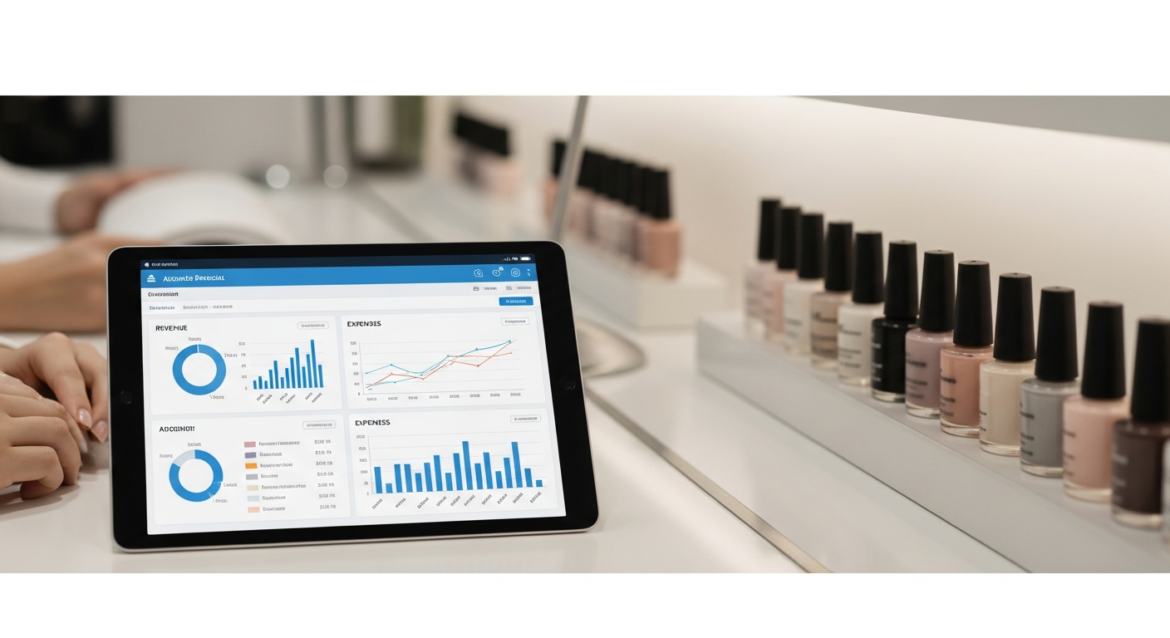
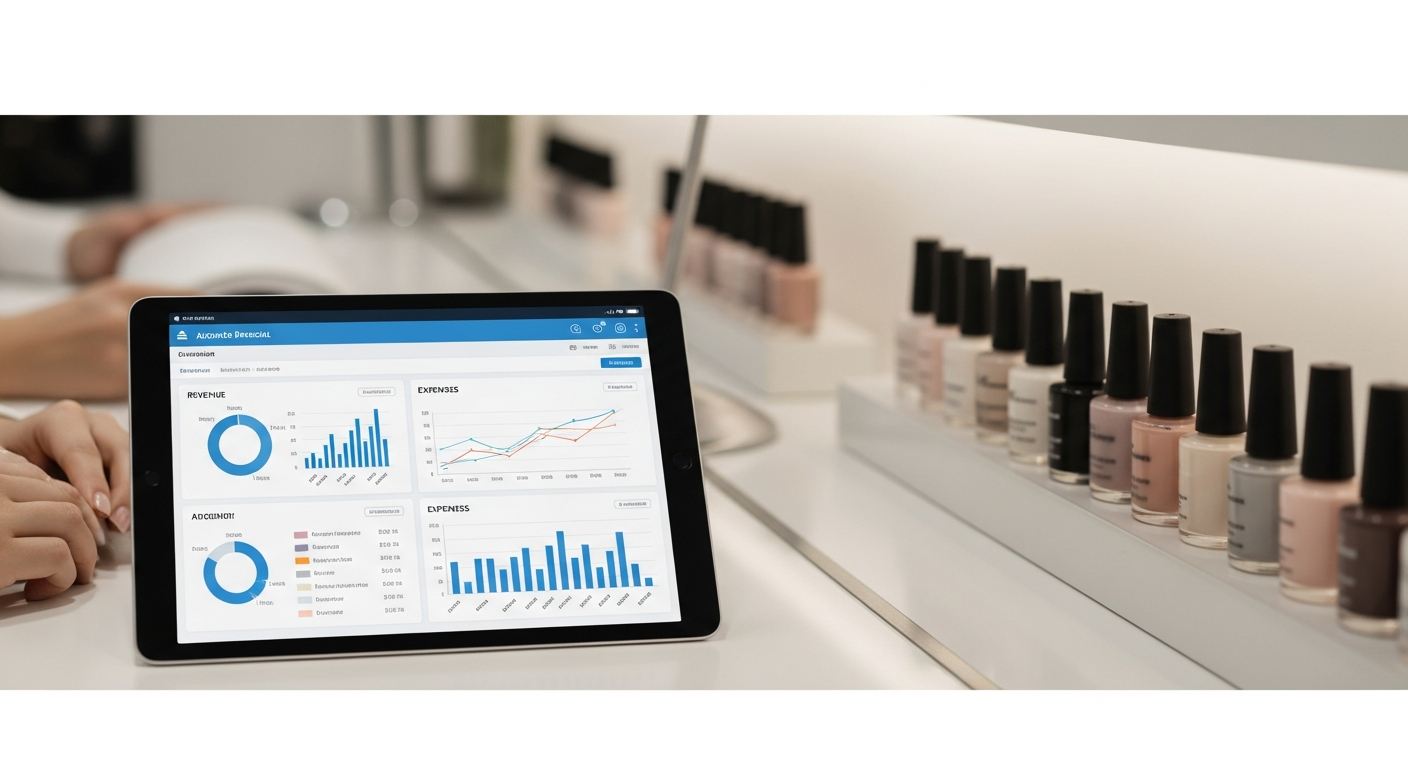
Nail salon financial automation is the process of using digital systems to automatically capture and categorize daily service revenue, product sales, and business expenses. This automation provides salon owners with real-time visibility into their cash flow and performance metrics without the need for manual data entry or complex accounting spreadsheets.

Automating Your Daily Revenue Tracking

Most nail salons struggle to keep track of every manicure, pedicure, and polish sale manually. Automation connects your point-of-sale system directly to your financial dashboard.

This ensures every dollar earned is recorded the moment the client pays. You can see your total daily sales without counting paper receipts at the end of the night.

Automated systems can also separate service revenue from retail product sales. This helps you see exactly where your money is coming from without extra effort.

Gaining Visibility into Salon Expenses

Managing costs like rent, back-bar supplies, and electricity is often a headache for busy owners. Financial automation categorizes these costs as they happen.

By linking your business bank account to a tracking system, every supply purchase is logged automatically. You no longer need to save boxes of paper invoices.

This visibility allows you to see if you are spending too much on polish or monomer before it affects your monthly profit. Digital tracking keeps your overhead clear and organized.

Essential Performance KPIs for Owners

Key Performance Indicators, or KPIs, are simple numbers that tell you how healthy your business is. Automation calculates these for you every day.

Average Ticket Price

Automation shows you the average amount each customer spends per visit. Knowing this number helps you decide if you need to encourage more add-on services.

Technician Productivity

System tracking shows which chairs are the most active and which staff members are most efficient. This helps you manage your schedule and staffing levels accurately.

Why Automated Reporting Beats Manual Spreadsheets

Manual spreadsheets are prone to typos and often stay out of date for weeks. Automated reports are generated instantly with live data from your salon.

You can view a “Profit and Loss” summary at any time on your phone. This gives you the confidence to know exactly how much cash is available in the business.

Automation removes the “guessing game” of salon management. Instead of feeling overwhelmed by numbers, you get a clear picture of your salon’s financial health.

Making Decisions Based on Performance Data

When your financial data is automated, you can make better choices for your salon’s future. You can see which days are slowest and require better promotions.

Data also reveals which services are the most profitable versus which ones take too much time for too little pay. This helps you refine your service menu.

Using these insights allows you to focus on growing your business rather than just surviving the daily rush. Automation gives you back your time and control.


0 comments
0 FacebookTwitterPinterestEmail

Nail Salon Financial Automation: A Guide for Owners

Nail Salon Financial Automation

Nail salon financial automation is the use of integrated software systems to automatically record sales, categorize expenses, and track technician performance. This automation eliminates manual data entry, allowing salon owners to view accurate daily revenue, monitor supply costs, and understand their profit margins without needing a background in accounting.

Automating Your Daily Revenue Tracking

Many salon owners spend hours every evening tallying paper receipts and closing out the register.
Automation connects your point-of-sale system directly to a digital dashboard that updates in real-time.
This ensures every manicure, pedicure, and polish change is recorded accurately and instantly.

By automating revenue tracking, you remove the risk of human error during the checkout process.
You can see exactly how much cash and credit card revenue was generated throughout the day.
This visibility allows you to monitor your salon’s intake from anywhere, even when you are off-site.

Gaining Visibility into Salon Expenses

Tracking the cost of acrylics, gels, and salon rent often feels like a guessing game for busy owners.
Automated systems can link directly to your business bank accounts to categorize your spending.
This gives you a clear picture of where your money is going without sorting through shoe boxes of receipts.

When expenses are automated, you can easily see if your supply costs are rising too quickly.
You can compare what you spend on products against the revenue those products generate.
This clarity helps you identify waste and manage your salon’s overhead more effectively.

Essential Performance Metrics (KPIs)

Key Performance Indicators, or KPIs, are simple numbers that tell you if your business is healthy.
Automation calculates these metrics for you, so you don’t have to do the math yourself.
Understanding these numbers helps you manage your staff and your schedule with confidence.

Average Ticket Price

This metric shows the average amount each customer spends during a single visit to your salon.
Automation identifies which technicians are best at suggesting add-on services like nail art or paraffin wax.
Monitoring this number helps you find ways to increase income without needing more customers.

Technician Productivity

Tracking how many clients each nail technician sees daily helps you understand your labor efficiency.
Automated reports show you who your most productive staff members are based on service time.
This data is essential for creating fair schedules and rewarding your hardest workers.

The Power of Automated Performance Reports

Instead of digging through stacks of paper, automation provides you with a simple weekly summary.
These reports highlight your busiest days of the week and your slowest hours of the day.
Having this information delivered to your inbox allows you to spot trends before they become problems.

Automated reporting also makes it easier to understand your “rebooking rate.”
This tells you what percentage of customers are booking their next appointment before leaving.
High rebooking rates are the foundation of a stable, recurring cash flow for any local salon.

Making Decisions Based on Real Data

Financial automation removes the stress and emotion from making difficult business choices.
You will know exactly if you have the budget to hire a new technician or buy new pedicure chairs.
Data provides a factual map of your salon’s performance, showing you exactly where to focus your energy.

When you automate your finances, you stop working for your business and start leading it.
The clarity provided by these systems gives you back your time and provides peace of mind.
A salon owner with clear data is an owner who is in total control of their future.

0 comments
0 FacebookTwitterPinterestEmail

Automating Your Nail Salon’s Financial Tracking

Nail Salon Financial Automation: Simplify Your Daily Tracking

Nail salon financial automation is the process of using digital systems to automatically capture daily sales, track service costs, and monitor business performance. By connecting point-of-sale data to simple reporting tools, salon owners gain real-time visibility into their cash flow and technician productivity without manual data entry or complex accounting.

The Shift from Manual Ledgers to Automated Systems

Many salon owners spend hours every Sunday night totaling paper receipts and daily logs. This manual process is prone to errors that hide the true health of the business.

Automated financial tracking replaces the shoebox of receipts with digital records that update themselves. This gives you back your time and ensures your numbers are always accurate.

By automating the flow of data, you can see exactly how much money came in versus how much went out for supplies and labor at any moment.

Core Benefits of Financial Automation for Salons

  • Eliminate Data Entry: Sales from your front desk flow directly into your financial overview without typing.
  • Instant Expense Visibility: View what you spend on polishes, liquids, and rent without searching through bank statements.
  • Technician Performance: Automatically see which chairs are generating the most revenue per hour.

Understanding Your Revenue Automatically

Daily Sales Tracking

Automation allows you to see your total daily intake broken down by service type, such as manicures, pedicures, or add-ons. You no longer need to manually tally different service categories at the end of the shift.

Tracking Product vs. Service Income

Systems can automatically separate the money you make from labor versus the money made from selling retail products. This helps you understand where your actual profit is coming from.

Managing Costs and Expenses with Systems

Supply Cost Monitoring

Every bottle of polish and box of files costs money. Automation helps you track these recurring expenses against your revenue to ensure your service prices stay profitable.

Labor Cost Visibility

Automated reporting calculates how much you are paying in commissions or hourly wages compared to the total sales for the day. This keeps your biggest expense—labor—under constant watch.

KPI Fundamentals for the Busy Salon Owner

Key Performance Indicators (KPIs) are simple numbers that tell you if your salon is winning. Automation makes these numbers easy to read on a single screen.

  • Average Ticket Value: The average amount every customer spends during a single visit.
  • Rebook Rate: The percentage of clients who schedule their next fill or pedicure before leaving.
  • Occupancy Rate: How many of your chairs are filled throughout the day versus sitting empty.

Using Performance Data for Smarter Decisions

When you have automated data, you stop guessing and start knowing. You can see which days are slowest and might require a special promotion to fill the books.

If the data shows your average ticket is low, you can focus on training staff to offer more nail art or premium spa upgrades. Automation highlights these opportunities clearly.

Consistent reporting allows you to set realistic goals for your team based on their actual past performance rather than high-pressure estimates.

Moving Toward a Paperless Financial System

The goal of financial automation is clarity and control. You deserve to know exactly how your business is performing without becoming a full-time bookkeeper.

Start by ensuring your daily sales sync to a central dashboard. Once your revenue is visible, begin connecting your recurring expenses for a complete financial picture.

A system that runs itself allows you to focus on your clients and your technicians while the technology handles the math.

0 comments
0 FacebookTwitterPinterestEmail

Financial Automation for Nail Salons: A Simple Guide

Automating Your Nail Salon Financial Tracking

Nail salon financial automation is the process of using digital systems to automatically capture daily sales, track service expenses, and monitor technician performance. By syncing point-of-sale data with tracking tools, salon owners gain real-time visibility into their cash flow and profit margins without manual bookkeeping or spreadsheet entry.

Why Financial Automation Matters for Salon Owners

Most nail salon owners spend hours every week manually calculating daily totals and technician commissions. Financial automation removes the guesswork by collecting this data as services are performed.

Automated systems allow you to see exactly how much money is coming in and going out at any moment. This clarity helps you manage your shop with confidence instead of relying on a bank balance.

By removing manual data entry, you reduce human error and free up time to focus on client experience and staff management.

Core Pillars of Nail Salon Financial Tracking

Automated Revenue and Sales Tracking

Automation tools link your booking system to your cash drawer to record every manicure, pedicure, and add-on service. This creates an instant record of your daily revenue without needing to count paper receipts.

These systems can also separate service revenue from retail sales and tips. This helps you understand which parts of your business are actually driving the most profit.

Expense Visibility and Supply Costs

Keeping track of polish, monomer, and sanitation supplies is difficult when done by hand. Automation helps you monitor how much you spend on inventory relative to the number of services performed.

When you see your costs automatically updated, you can quickly identify if you are overspending on supplies or if product waste is cutting into your margins.

Essential Performance KPIs to Monitor

Key Performance Indicators (KPIs) are simple numbers that tell you if your salon is healthy. Automation makes these metrics easy to read through simple dashboards.

  • Average Ticket Value: The average amount a customer spends per visit.
  • Technician Productivity: How much revenue each chair generates during its scheduled hours.
  • Retention Rate: The percentage of clients who return for another service within a specific timeframe.

Tracking these automatically allows you to spot trends, such as a dip in rebookings or a rise in high-value gel services, as they happen.

Using Performance Data for Better Decisions

Automated reporting turns a pile of numbers into a clear picture of your salon’s performance. You can use this data to make smart adjustments to your daily operations.

If the data shows that your morning shifts are consistently slow, you can adjust your staffing levels. If one technician consistently has a high ticket average, you can learn from their upselling techniques.

Data-driven decisions take the emotion out of management. You gain the power to lead your team based on facts, ensuring your salon remains a stable and profitable business.

0 comments
0 FacebookTwitterPinterestEmail

Nail Salon Financial Automation: Simple Tracking Guide

Automating Your Nail Salon Financials and Performance Tracking

Nail salon financial automation is the process of using digital systems to automatically sync daily service sales, tip payouts, and supply costs into one dashboard. This system removes manual data entry, providing salon owners with real-time visibility into their cash flow, profit margins, and individual technician performance without requiring accounting expertise.

Moving from Paper Logs to Automated Revenue Tracking

Manual bookwork is the biggest drain on a salon owner’s time. Nail salon financial automation starts by connecting your daily sales directly to a digital ledger.

Instead of counting receipts at night, automation captures every manicure, pedicure, and add-on service instantly. This ensures that your total daily revenue is always accurate and ready for review.

Automated systems also separate service sales from technician tips. This clarity helps you understand exactly how much money stays in the business versus what is paid out to your staff.

Gaining Visibility Into Salon Expenses

Tracking costs like polish, monomer, and rent is essential for staying profitable. Automation allows you to see where your money goes without sorting through a shoe box of receipts.

By syncing your business bank account to a tracking system, every supply purchase is categorized automatically. You can see at a glance if you are spending too much on inventory.

This visibility prevents “cash flow surprises” at the end of the month. You will know exactly how much it costs to keep your chairs full and your lights on.

Essential Performance Data for Salon Owners

Performance data helps you understand if your business is healthy. Automation gathers this information in the background while you focus on serving your clients.

  • Average Ticket Value: Know the average amount every client spends per visit.
  • Technician Productivity: See which chairs are generating the most revenue each week.
  • Rebook Rates: Automatically track how many clients schedule their next fill-in before leaving.

Having these numbers allows you to make decisions based on facts rather than guesses. You can identify your most popular services and your most efficient staff members easily.

The Power of Automated Reporting

Automated reporting turns raw numbers into simple visual charts. These reports give you a clear “health check” of your salon in just a few minutes.

Daily Performance Snapshots

Receive a summary every evening showing your total sales and busiest hours. This helps you decide if you need more staff for specific shifts or days.

Monthly Profit Summaries

Compare your monthly income against your total expenses automatically. This report shows your actual profit, helping you plan for future equipment upgrades or booth maintenance.

Why Automation Creates Better Control

Financial automation is not about complex accounting; it is about control. When your systems handle the math, you reduce the risk of human error in your books.

Owners who use automated tracking spend less time on paperwork and more time on the floor. It provides peace of mind knowing your financial data is organized and accessible at any time.

By automating these basics, you build a stronger foundation for your salon. You move from simply “working” in your business to truly managing its performance.

0 comments
0 FacebookTwitterPinterestEmail

Nail Salon Financial Automation: A Guide for Owners

Nail Salon Financial Automation: Tracking Your Success

Nail salon financial automation is the process of using digital systems to automatically capture and organize daily sales, service costs, and technician performance data. By connecting point-of-sale activities with reporting tools, salon owners gain real-time visibility into their cash flow and business health without manual spreadsheet entry or complex math.

Moving Beyond the Paper Ledger

Manual bookkeeping takes time away from your clients and your staff.

Automating your financial tracking ensures that every manicure and pedicure is recorded instantly.

This shift gives you a clear picture of your money without the risk of human error.

Automated Revenue Tracking Basics

Understanding where your money comes from is the first step to growth.

Daily Sales Synchronization

Automated systems pull data directly from your checkout counter to your reports.

You can see which services are most popular at any time of the day.

This allows you to see your total income without counting physical receipts every night.

Tracking Payment Types

Automation categorizes cash, credit card, and digital payments automatically.

You will know exactly how much money should be in your bank account.

This visibility reduces confusion during your weekly reconciliation process.

Visibility Into Salon Expenses

Profit isn’t just about what you make; it is about what you keep.

Monitoring Supply Costs

Automation can track how much you spend on polishes, acrylics, and tools.

By linking purchases to your records, you can see if your costs are rising.

This helps you spot waste before it affects your monthly bottom line.

Labor Cost Overview

Automated systems calculate technician commissions and hourly pay instantly.

You can see how much of your revenue is going toward your team’s wages.

This ensures your payroll stays in balance with the services being performed.

Key Performance Indicators (KPIs) for Salons

Data tells a story about how your salon is actually performing.

Technician Productivity

Automated reports show you which nail techs are fully booked and which are not.

You can see who is generating the most revenue through add-ons and upgrades.

This data helps you coach your staff and improve service quality.

Client Retention Rates

System automation tracks how many customers return for a second visit.

Knowing your retention rate helps you understand if your clients are happy.

You can identify which services keep people coming back to your chairs.

Making Decisions With Automated Data

Financial automation provides the facts you need to run a better business.

Instead of guessing, you can use reports to decide on booth rentals or hiring.

Clear data gives you the confidence to manage your salon with total control.

0 comments
0 FacebookTwitterPinterestEmail

Nail Salon Financial Automation: Tracking Profit and Growth

Nail Salon Financial Automation: Tracking Profit and Growth

Nail salon financial automation uses digital tools to automatically record service sales, technician payouts, and business expenses. This system replaces manual ledger books and spreadsheets, giving U.S. salon owners instant access to their daily profit and cash flow data while reducing the time spent on administrative paperwork and manual math.

Automating Your Daily Revenue Tracking

For most nail salons, revenue tracking is the most time-consuming daily task.
Automation captures every manicure, pedicure, and add-on service the moment it is paid.
This ensures that cash, card, and digital payments are recorded accurately without manual entry.

Automated systems also handle the math for technician commission splits.
Instead of calculating percentages by hand at the end of the day, the system does it instantly.
This reduces errors and builds trust between the salon owner and the service providers.

By automating revenue, owners can see exactly which hours of the day are most profitable.
You can identify slow periods and busy rushes without guessing or being present at the front desk.
Real-time revenue data helps you manage your shop floor and staffing levels more effectively.

Gaining Clear Visibility Into Salon Expenses

Running a nail salon involves many small, recurring costs that are hard to track manually.
Automated expense tracking connects your business spending directly to a central dashboard.
This includes everything from rent and utilities to backbar supplies like polish and monomer.

Seeing your costs in real-time prevents “bank balance accounting” mistakes.
Many owners only look at their bank account to see if they are making money.
Automation shows you your true profit after all supplies and labor costs are subtracted.

Consistent expense tracking helps you spot when supply costs are rising too fast.
If you are spending more on acrylics or gels than usual, the data will alert you.
This visibility allows you to adjust your pricing or inventory habits before profits drop.

Essential Performance Indicators for Salon Owners

Performance data helps you understand if your salon is actually healthy or just busy.
Automation tracks Key Performance Indicators (KPIs) that tell the story of your business.
You no longer need to be a math expert to understand your shop’s health.

  • Average Ticket Price: The average amount each customer spends per visit.
  • Client Retention: The percentage of customers who return for another service.
  • Technician Productivity: How much revenue each chair generates per hour.
  • Service Mix: Which services (like gel X or dip powder) are being booked most often.

Focusing on these numbers helps you make better decisions about your service menu.
If your average ticket is low, you might focus on training staff to offer more add-ons.
If retention is low, you can investigate the quality of the customer experience.

The Power of Automated Financial Reporting

Automated reporting turns raw data into simple summaries that are easy to read.
Instead of spending Sunday nights with a calculator, you receive a weekly performance report.
These reports highlight wins and areas that need your attention as the owner.

Weekly and monthly summaries allow you to compare your performance over time.
You can see if this June was more profitable than last June with one click.
This historical data is vital for understanding the seasonal nature of the nail industry.

Ultimately, financial automation provides the clarity needed to run a professional business.
It moves the owner from a “worker” role into a “manager” role through better data.
With clear numbers, you can lead your team and grow your salon with total confidence.

0 comments
0 FacebookTwitterPinterestEmail

Nail Salon Financial Automation: A Guide for Owners

Nail Salon Financial Automation for Busy Owners

Nail salon financial automation is the use of digital systems to automatically sync daily sales and service costs into organized reports. This technology eliminates manual bookkeeping by capturing revenue from your booking system and matching it against salon expenses, providing owners with instant clarity on their actual profit and business performance.

Why Automate Your Salon Finances?

Most nail salon owners spend late nights sorting through paper receipts and daily closeout sheets. Manual tracking leads to errors that make it hard to see if the business is actually making money.

Financial automation replaces the “shoebox method” with a digital flow that works in the background. It ensures every manicure, pedicure, and polish sale is accounted for the moment the client pays.

By automating these workflows, you regain hours of personal time while gaining a clear view of your bank balance and business health.

Automated Revenue Tracking Basics

Revenue tracking is the foundation of nail salon financial automation. Instead of counting cash and credit slips at the end of the shift, systems record transactions in real time.

Daily Sales Sync: Your system should automatically categorize income by service type or product sale. This shows you exactly which services are driving your cash flow without manual tallying.

Digital Deposit Matching: Automation can verify that the money processed through your card terminal matches the amount landing in your business bank account, flagging any discrepancies immediately.

Gaining Visibility into Salon Expenses

Profit isn’t just about what you make; it is about what you keep. Automating expense tracking helps you see where your money is disappearing.

  • Supply Cost Monitoring: Track how much you spend on back-bar supplies like monomer, gel polish, and disposables automatically.
  • Labor Cost Integration: View how much you are paying in technician commissions versus the revenue they generate for the salon.
  • Fixed Cost Alerts: Set up systems to monitor recurring bills like rent, electricity, and insurance to ensure they stay within budget.

Understanding KPI Fundamentals Through Data

Key Performance Indicators (KPIs) are the vital signs of your nail salon. Automation turns raw numbers into simple metrics you can understand at a glance.

Average Ticket Price

This metric shows the average amount a client spends per visit. Automation helps you see if clients are sticking to basic services or adding high-value nail art and paraffin treatments.

Technician Utilization

Automated reports show you which chairs are full and which staff members have the most downtime. This helps you adjust your scheduling to maximize your salon’s earning potential.

Rebooking Rates

Tracking how many clients book their next fill or pedicure before leaving the salon is essential. Automation calculates this percentage for every staff member without extra effort.

Using Performance Data for Better Decisions

The goal of nail salon financial automation is to give you total control over your business. When you have accurate data, you no longer have to “guess” how the salon is performing.

If your automated reports show that supply costs are rising but revenue is flat, you know it is time to look at your inventory waste or adjust your service menu prices.

Automated financial systems provide a “pulse check” for your salon. This clarity allows you to lead your team with confidence and focus on providing the best nail services in your community.

0 comments
0 FacebookTwitterPinterestEmail

Automating Your Nail Salon Financial Tracking & Performance

How to Automate Your Nail Salon Financial Tracking

Nail salon financial automation is the process of using digital systems to automatically record daily sales, track service costs, and monitor business expenses without manual entry. This system provides salon owners with real-time visibility into their cash flow and key performance indicators, ensuring financial clarity and better decision-making for their local service business.

Moving Beyond Manual Bookkeeping

Most nail salon owners spend hours every week tallying up paper receipts and daily logs.
Manual tracking leads to mistakes and hides the true health of your business.
Automation handles the heavy lifting so you can focus on your staff and clients.

By connecting your service records to a central system, you eliminate data entry.
This gives you back your evenings and provides a clear view of your money.
True control starts with having accurate numbers available at any moment.

Core Pillars of Financial Automation

Automated Revenue Tracking

Revenue tracking records every manicure, pedicure, and polish change as they happen.
An automated system captures credit card and cash totals directly from your point of sale.
This ensures that your daily sales records are always 100% accurate and up to date.

Expense and Cost Visibility

Running a salon involves constant costs like rent, supplies, and utility bills.
Automation syncs your business bank account to categorize these expenses automatically.
You will see exactly where your money is going without sorting through a shoe box of receipts.

Essential Performance Metrics (KPIs) to Monitor

KPIs are simple numbers that show how well your salon is performing.
An automated system calculates your average ticket price and technician productivity for you.
These metrics help you understand which services are most popular and profitable.

  • Average Service Value: The average amount spent by each client.
  • Technician Utilization: How much of the workday your staff is actually performing services.
  • Supply Cost Ratio: The percentage of revenue spent on back-bar supplies like gels and lotions.

The Power of Automated Reporting

Automated reporting generates daily or weekly snapshots of your salon’s financial health.
Instead of building a spreadsheet, you receive a simple summary of your profit and loss.
These reports allow you to spot trends before they become problems for your cash flow.

You can see which days are your slowest and which technicians are your top earners.
Having this data delivered to your inbox keeps you informed without extra effort.
Consistent reporting is the best way to maintain a stable and profitable salon.

Using Performance Data for Better Decisions

Data-driven decisions take the guesswork out of running a local service business.
When you know your exact costs, you can set your service prices with confidence.
Automation shows you which services have the best margins so you can promote them more.

If the data shows a drop in revenue, you can react quickly rather than waiting for the end of the year.
Clear financial visibility helps you manage your team and your inventory more effectively.
Automation gives you the peace of mind that comes with total financial control.

0 comments
0 FacebookTwitterPinterestEmail

Nail Salon Financial Automation: Simplify Your Cash Flow

How to Use Nail Salon Financial Automation to Master Your Cash Flow

Nail salon financial automation is the process of using digital systems to automatically record daily sales, track service costs, and monitor business performance. These systems sync salon appointment data with financial records, providing owners with real-time visibility into their shop’s profitability, technician efficiency, and overhead expenses without manual spreadsheet entry.

Moving From Manual Logs to Automated Clarity

Many salon owners spend hours every week tallying paper receipts or manual logs. This process is prone to human error and often leads to an unclear picture of the shop’s true health.

Automated financial tracking captures every transaction at the point of sale. This ensures that every pedicure, manicure, and add-on service is accounted for the moment the customer pays.

By automating the data collection, you gain immediate access to your daily totals. You no longer have to wait until the end of the month to see if the salon made a profit.

Essential Financial Metrics to Automate

Real-Time Revenue Tracking

Automation allows you to separate revenue by service type and product sales instantly. You can see exactly which services, such as gel manicures or acrylic sets, are generating the most cash.

This data helps you understand your “service mix.” Knowing what customers spend money on allows you to stock the right supplies and focus your marketing efforts effectively.

Automated Expense Visibility

Tracking expenses like rent, utilities, and backbar supplies is easier when systems are linked. Automation categorizes these costs as they occur, showing you exactly where your money goes.

When you see your supply costs rising in real-time, you can investigate waste or price increases. This visibility prevents small costs from eating away at your monthly take-home pay.

Monitoring Performance with Automated KPIs

Key Performance Indicators (KPIs) are the vital signs of your salon. Automation calculates these numbers automatically so you can review them in minutes.

  • Average Ticket Price: The average amount each customer spends per visit.
  • Technician Productivity: How much revenue each staff member generates during their shift.
  • Rebooking Rate: The percentage of clients who schedule their next appointment before leaving.

Having these numbers at your fingertips allows you to set clear goals for your team. You can identify which technicians need more training and which ones are your top performers.

Using Data to Make Better Business Decisions

The goal of financial automation is not just to see numbers, but to take action. Accurate data helps you manage your shop based on facts rather than feelings.

If automated reports show that Tuesday mornings are consistently slow, you can adjust your staffing levels. This prevents you from paying technicians to sit in empty chairs.

When you have total control over your financial data, you feel more confident as an owner. You can spot trends early, address issues quickly, and ensure your salon stays profitable.

0 comments
0 FacebookTwitterPinterestEmail
Newer Posts