Nail Salon Financial Automation: Tracking Performance Simplified
Nail salon financial automation is the use of digital systems to automatically track daily revenue, service costs, and technician performance. This process replaces manual bookkeeping with real-time data, allowing salon owners to monitor cash flow, identify profitable services, and manage expenses without needing manual entry or advanced financial training.
Why Manual Tracking Challenges Salon Owners
Most salon owners spend hours every week tallying up paper receipts and daily service logs. This manual work often leads to math errors and a lack of clear insight into true profits.
Automating these tasks removes the guesswork from your business operations. Instead of waiting until the end of the month, you can see your financial health every single day.
When your numbers update themselves, you stop worrying about missing transactions. You gain the freedom to focus on client service while the system handles the data.
The Core Pillars of Financial Automation
Automated Revenue Collection
Every time a client pays for a manicure or pedicure, the data should flow directly into your financial records. This eliminates the need to cross-reference bank statements with appointment books.
Automated systems capture total sales, including service fees and retail product purchases. This ensures that every dollar entering the salon is accounted for immediately.
Real-Time Expense Visibility
Running a salon involves constant costs like back-bar supplies, rent, and utility payments. Automation allows you to categorize these expenses as they happen.
Seeing your costs in real-time helps you understand your “burn rate.” You will know exactly how much it costs to keep your doors open every hour of the day.
Essential Performance KPIs to Monitor
Average Ticket Price per Client
An automated system calculates how much the average client spends without you doing the math. This helps you see if clients are choosing basic services or high-value add-ons.
If your average ticket price is lower than expected, you can adjust your menu or training. This data helps you make changes based on facts rather than feelings.
Technician Productivity Rates
Financial automation tracks how much revenue each chair or technician generates during their shift. This highlights your top performers and shows who might need more training.
Understanding productivity helps with scheduling and booth management. You can ensure your busiest hours are staffed by your most efficient team members.
Using Automated Reporting for Better Decisions
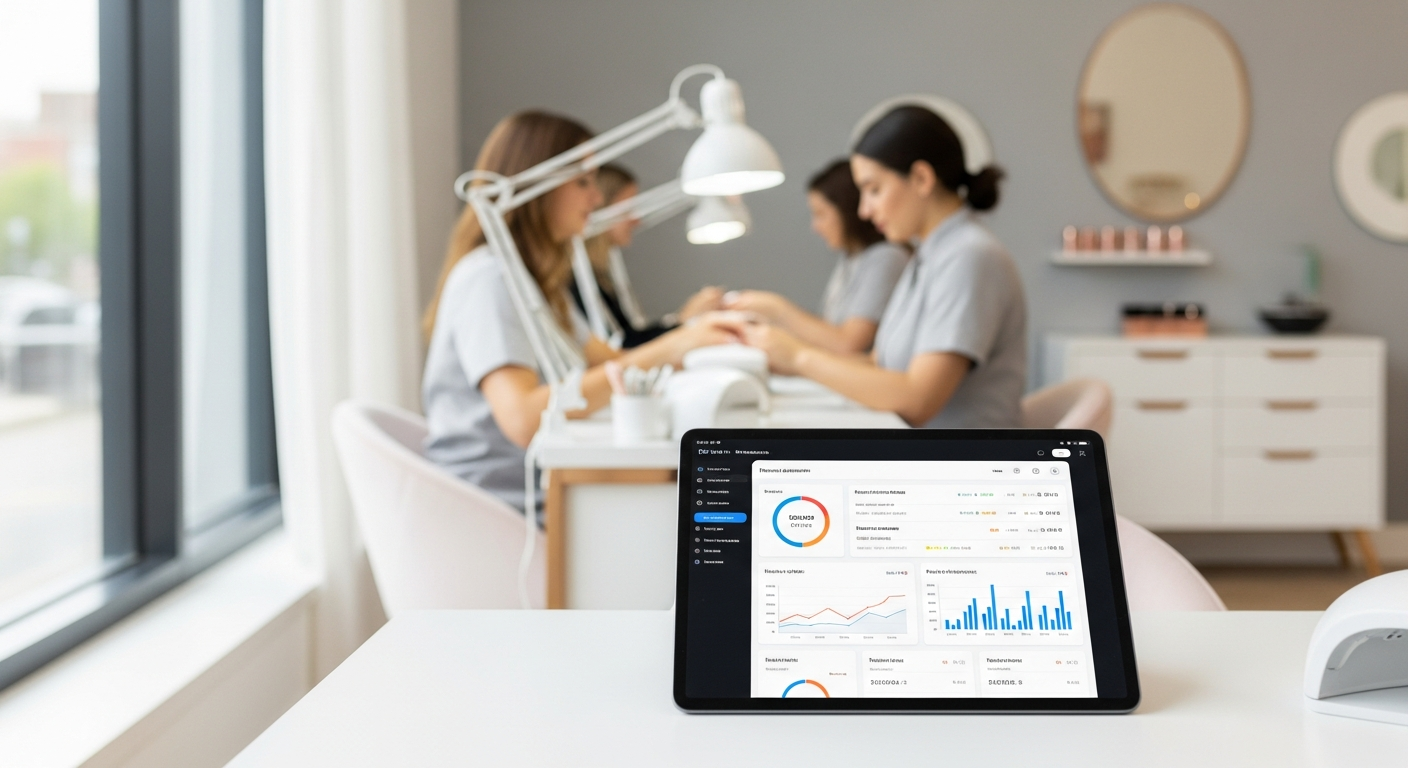
Automated reports turn complex numbers into simple charts and summaries. You don’t need to be an accountant to understand if your salon is making progress.
These reports show you which days of the week are most profitable. You can use this information to run promotions during slow periods or adjust your operating hours.
Consistent reporting creates a clear picture of your salon’s financial trends. Over time, this history becomes your most valuable tool for maintaining a healthy, stable business.
